
TV Appearances
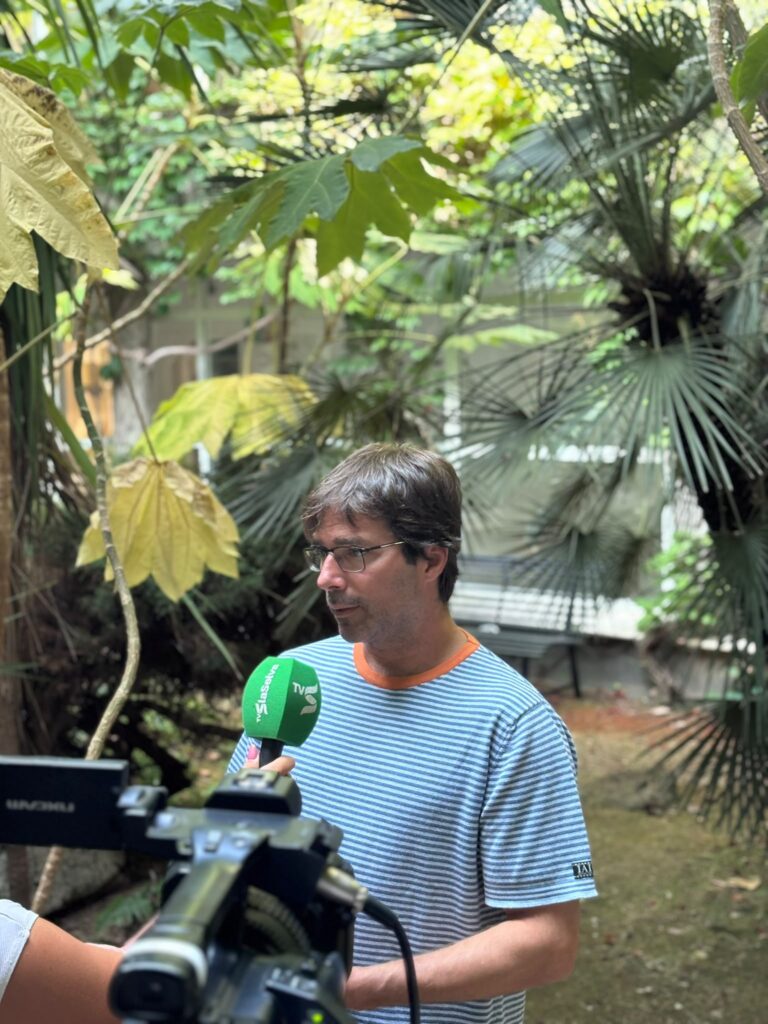
The GAME studies mercury in the coastal area
Publication date: 2026
Project: Article publication "Risks of mercury release from disturbance of blue carbon ecosystems"
Medium: La Selva TV
Direct link to the report: Video
Mangroves, marshes, and seagrass meadows not only capture carbon but also retain toxic pollutants that can return to the environment if these habitats degrade. An international study involving the Centre for Advanced Studies of Blanes (CEAB-CSIC) warns that the degradation of ecosystems known as "marine carbon" can lead to the release of around 26 tonnes of mercury each year worldwide.
Blue Archipelago. 2023.
Publication date: 2023
Project: Blue Archipelago Collaboration
Medium: IB3
Type: Documentary series episode
Direct link to the report: Video
Blue Archipelago. A documentary series of six episodes, a production by IB3 and the Marilles Foundation in collaboration with the production company Miraprim. The Aquatic Macrophyte Ecology Group appears in Episodes 1 (min. 38:35 to 39:38) and 6 (24:53 to 27:05).
Chapter 1: ‘Alguers’ and Sandbanks: Miquel Salamanca presents us in this first chapter of the Archipiélago Azul series with two of the most characteristic environments of our waters: the sandy beaches and the algal beds, traditionally known as 'the white' and 'the black'. We will delve into the seaweeds or posidonia meadows to learn about the life cycle of this marine plant, its ecological functions, and the species hidden among its leaves. We will be surprised to discover how the sandy areas, seemingly desert-like expanses, are full of life, with species that have developed complex camouflage and defence systems. Herrazas, needles, serpetones, pedazos, octopuses, and many other marine creatures will be the protagonists of this chapter. To conclude, we will accompany Gàdor Muntaner on his visit to s’Espardell, in the marine reserve of the Freus of Ibiza and Formentera.
Chapter 6: Past, Present and FutureThe final chapter of Blue Archipelago is dedicated to the changes our sea has undergone and to proposing measures to halt its degradation, conserve its species and habitats. Miquel Salamanca will present testimonies from fishermen who knew species now extinct, scientists and experts who have studied the impacts on the marine environment and propose recovery plans. Enric Ballesteros, Xisco Riera, Lluís Cardona, Xisco Avellà, Miguel Ángel Mateo and Marta SalEs will talk about the disappearance of sharks in our waters, the impacts of fishing activity, the loss of shallow water habitats, the extinction of the old marine species, the introduction of invasive species, the alteration of ecosystems and the global threat posed by climate change. All of this comes with a call for hope and responsibility to implement conservation measures in the sea, its species and habitats, so that we can leave the marine world we have enjoyed to future generations. Its health depends on us and on what we do from now on.
The rise in Mediterranean temperatures threatens the posidonia.
Publication date: 04/07/2021
Project: Marilles Foundation Contract
Medium: RTVE
Type: News broadcast
Direct link to the report: Video
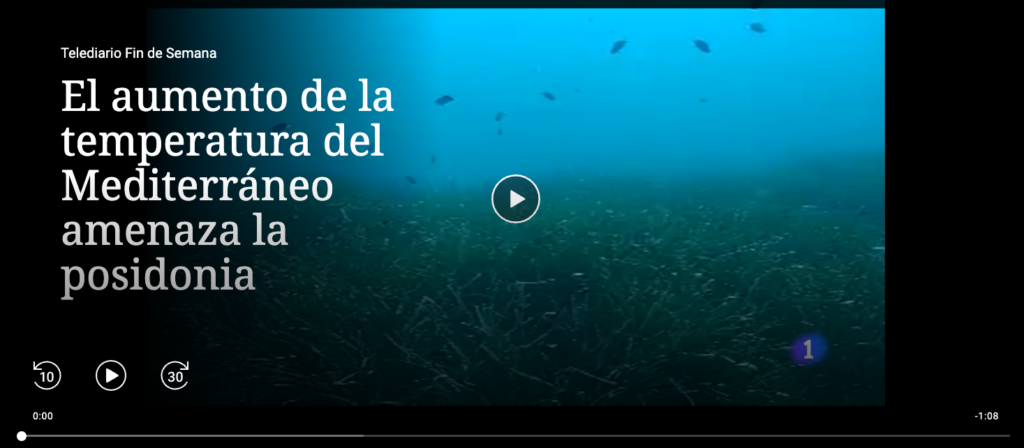
The rise in Mediterranean temperatures threatens posidonia. Report derived from the project for the Marilles Foundation in Calvià, Mallorca. Weekend News. Spanish Radio and Television. 0:31 min. It is found on the coast of the Balearic Islands, one of the best sanctuaries for this ancient lady of the seas. But posidonia is not only a champion in age. A team of scientists is studying off the coast of Calvià, Mallorca, the great capacity this marine plant has to absorb CO2. That is why, when we pollute or drop the anchor in the wrong place, scientists warn that we are not only destroying a living being that could be millennia old but also a great ally against climate change.
Scientists reveal that the Posidonia of Ses Illetes is 2,355 years old.
Publication date: 2023
Project: Marilles Foundation Contract
Medium: IB3
Type: IB3 YouTube Channel
Direct link to the report: Video
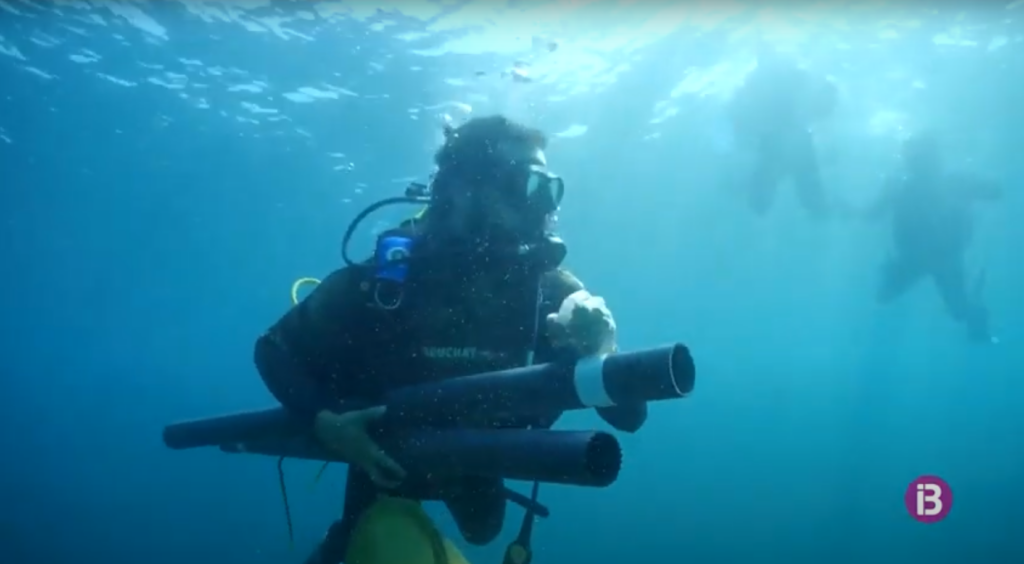
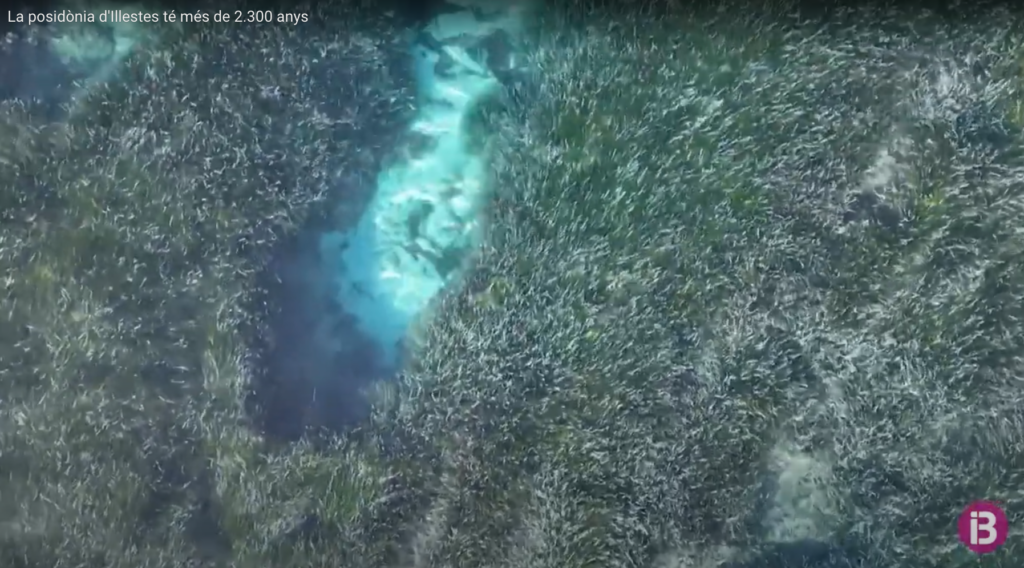
Report on the project for the Marilles Foundation1:42 min. The Balearic Islands television channel IB3 reports on the results of the GAME study on the age and carbon stocks accumulated by the meadows of Calvià and Illetes. The study was conducted for the Marilles Foundation.
Scientists reveal that the Posidonia of Ses Illetes is 2,355 years old.
Publication date: 04/07/2021
Project: Marilles Foundation Contract
Medium: GAME YouTube Channel
Type: Audiovisual GAME – IB3
Direct link to the report: Video
Campaign coverage for the Marilles Foundation of Mallorca. The age of the meadows of P. oceanicaIb3 (Illes Balears Television)
Good health of the Posidonia meadows of Mallorca.
Publication date: 04/07/2021
Project: Marilles Foundation Contract
Medium: IB3 News
Type: News
Direct link to the report: Video
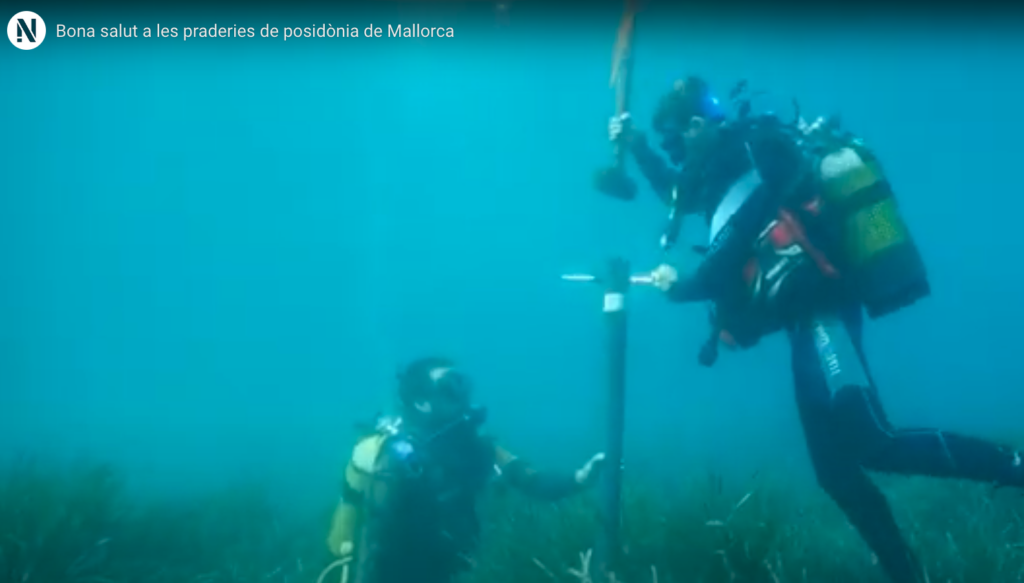
The Posidonia meadows are in good health. This is the conclusion of the sampling carried out today in Mallorca by scientists from the CSIC and the Marilles Foundation. They contain carbon accumulated over thousands of years, a lung on the seabed that must be preserved.
It has been hours of work in the sea, until the scientists have extracted from the bottom of the Posidonia meadows a tube one and a half metres long where sediments and remains of this plant have been deposited. A preliminary analysis allows the age and the amount of accumulated carbon to be calculated. The result is favourable.
What harms the meadows the most are the anchors of the boats, which drag and destroy them. Also, the pressure from tourism.
The importance of these Posidonia meadows is fundamental; they retain carbon emissions in the Islands.
A more thorough and detailed result of this sampling will be made known in a few months.
The large submerged carpet that cleans our seas of pollution
Publication date: 26/11/202
Project: Collaboration with the La Sexta programme, "Natural"
Medium: La Sexta, Natural
Type: Documentary report
Direct link to the report: Video
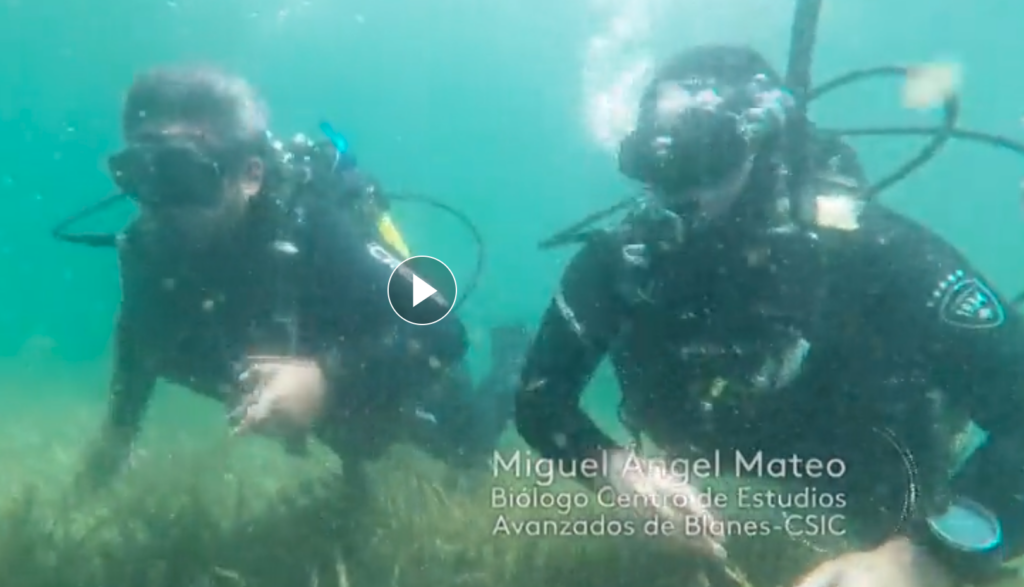
Posidonia, the great underwater carpet that cleans our seas of pollution. Posidonia is a marine plant of incalculable value: it filters the water and frees it from pollution. In this Natural video, we explain how this great natural "carpet" works. With Jalis de la Serna.
The LIFE Blue Natura project
Publication date: 2018
Project: LIFE Blue Natura
Medium: Canal Sur, Protected Area
Type: Documentary report
Direct link to the report: Video
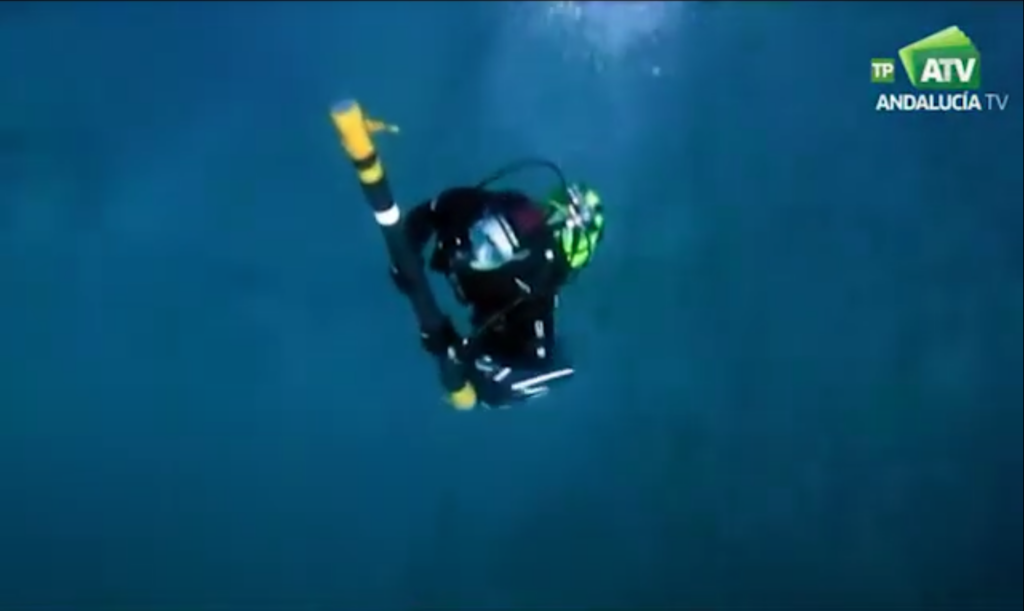
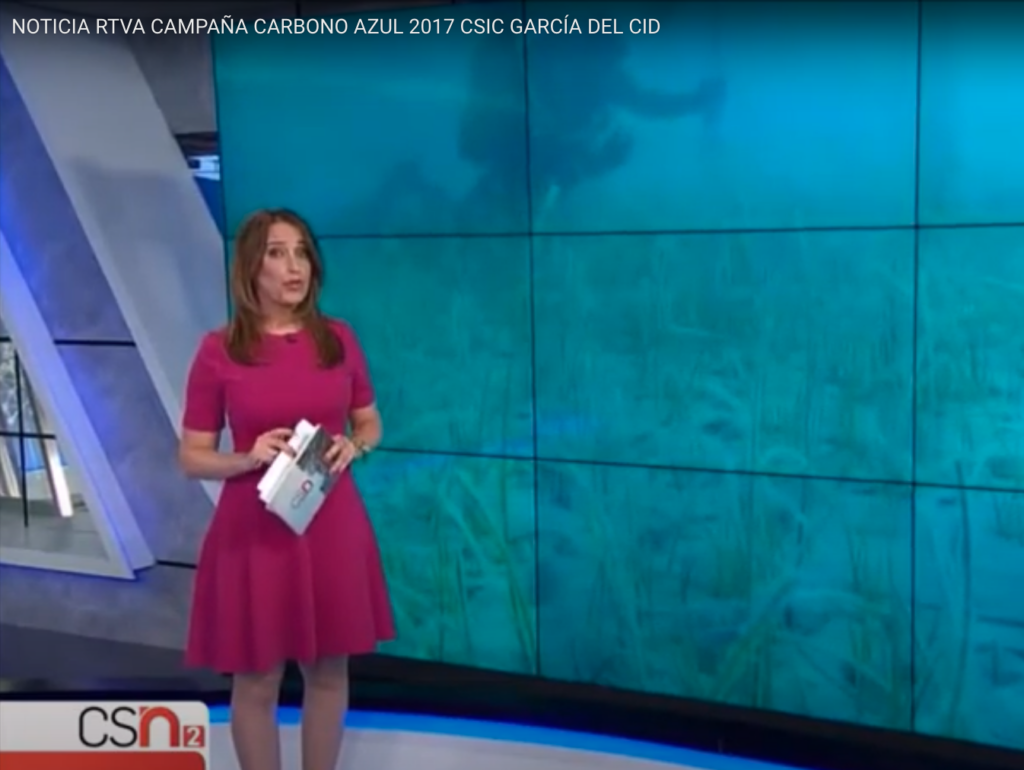
Video report on board the B/O García del Cid. Programme Protected Area from Canal Sur. 7:43 min. Report broadcast on Canal Sur Andalucía, on the programme Espacio Protegido, on the occasion of the CSIC sampling campaign aboard the Oceanographic Vessel García del Cid, for the study of blue carbon retained in the Posidonia oceanica meadows in Andalucía.
The LIFE Blue Natura project
Publication date: 2018
Project: LIFE Blue Natura
Medium: Canal Sur, News Reports
Type: News
Direct link to the report: Video
EExpedition through Andalusia aboard the B/O García del Cid. Report by Radio Televisión de Andalucía (Canal Sur). 2:08 min. Canal Sur Television covered in its news the campaign that took place over 10 days in Almería, Granada, and Málaga to collect blue carbon samples from seagrass meadows in Andalusia, as part of the Life Blue Natura project.
The LIFE Blue Natura project
Publication date: November 2017
Project: LIFE Blue Natura
Medium: Canal Sur, Protected Area
Type: Documentary report
Direct link to the report: Video
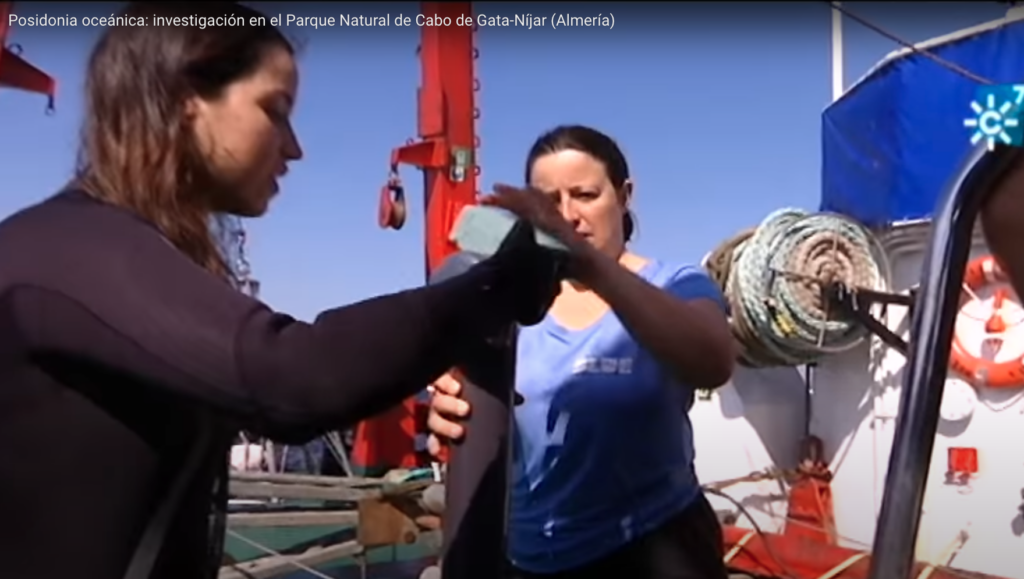
Posidonia oceanica: research in the Cabo de Gata-Níjar Natural Park (Almería). Report of the Canal Sur (Protected Space Programme) about the LIFE Bue Natura project and the expedition with the B/O García del Cid along the Almerian coasts. 7:32 min. Scientists from the oceanographic vessel "García del Cid" of the Spanish National Research Council have collected samples of Posidonia oceanica meadows from the seabed of the Cabo de Gata-Níjar Natural Park (Almería) to quantify how they sequester carbon. Andalusia is leading a European project aimed at improving the protection of Posidonia meadows, genuine underwater forests that are abundant along the Almerian coast.
Coastal habitats such as salt marshes and Posidonia oceanica meadows are proving to be important CO2 sinks, one of the greenhouse gases that contribute to climate change. This is known as blue carbon.
Another of the project's objectives is the conservation of the meadows and the bed where they grow.
The Andalusian Government is working on the development of a new Climate Change Law, and one of the points considers the importance of CO2 sinks and the role that marine forests play in them. This law will take into account the results of this campaign and the scientific data that will emerge from it. Life Blue Natura will provide the amounts of carbon that posidonia is capable of capturing.
Speakers: Rosa Mendoza (Director Life Blue Natura CMAOT), Miguel Ángel Mateo (Scientist CEAB-CSIC Fife Blue Natura), Mar Otero (IUCN Member), Diego Moreno Lampreave (Sustainable Marine Environment Management Programme), Paul S. Lavery (Marine Ecosystems Centre, University of Perth).
Posidonia oceanica Life Blue Natura project
Publication date: November 2017
Project: LIFE Blue Natura
Medium: Canal Sur
Type: Video report
Direct link to the report
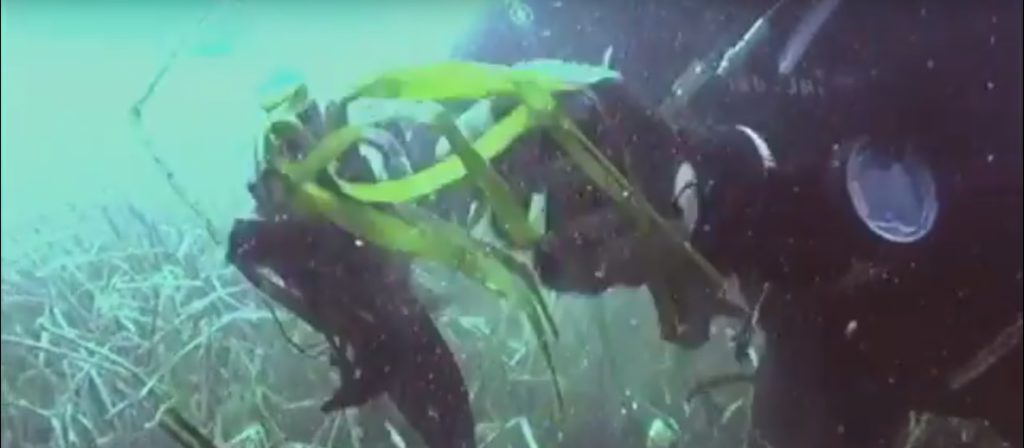
The LIFE BLUE NATURA project, as reported by Espacio Protegido on Canal Sur Television. Posidonia Oceanica is one of the carbon sinks, thus helping to mitigate climate change. This is what is called Blue Carbon; conserving these meadows and marine forests is the aim of the European project Life Blue Natura.
GCiencia accompanies GAME on a campaign day in the Cíes Islands
Publication date: September 2017
Project: Paleopark
Medium: GCiencia – Galician Science Creative Industries Ltd.
Type: Video report
Direct link to the report
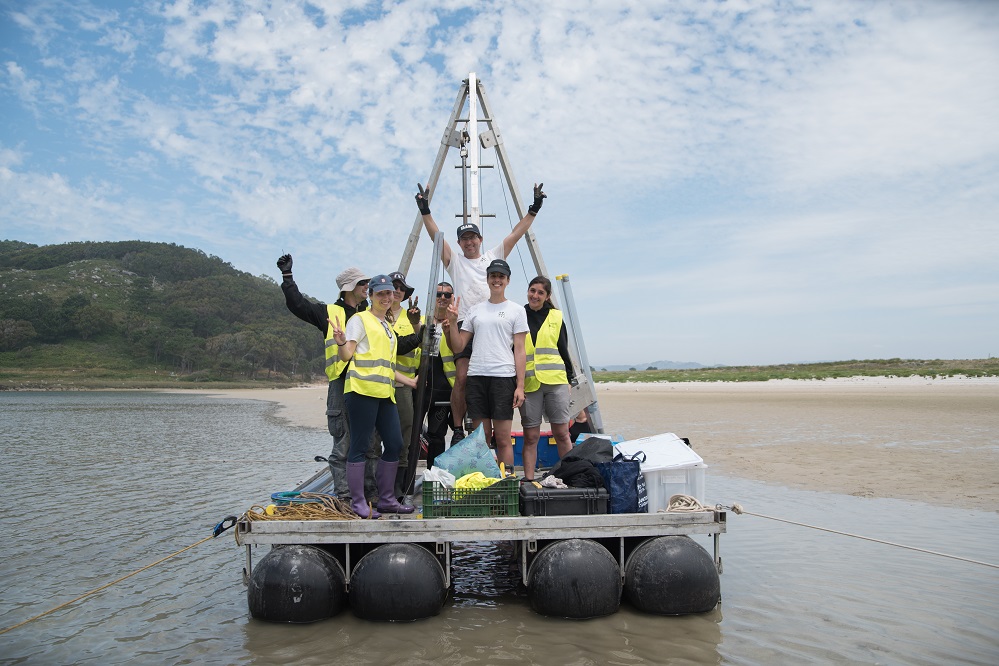
The Cíes Islands are a paradise in the Ría de Vigo and the heart of the Atlantic Islands of Galicia National Park. There, a small lagoon, A Lagoa dos Nenos, holds ancient secrets about the history of the archipelago. Its depths contain sediments that allow the tracing of the human footprint on nature. A team of seven researchers from the Paleopark project, led by Miguel Ángel Mateo, collected sediment samples from the lagoon over the course of a week in order to reconstruct the island's past. They managed to obtain biological records dating back up to six thousand years.
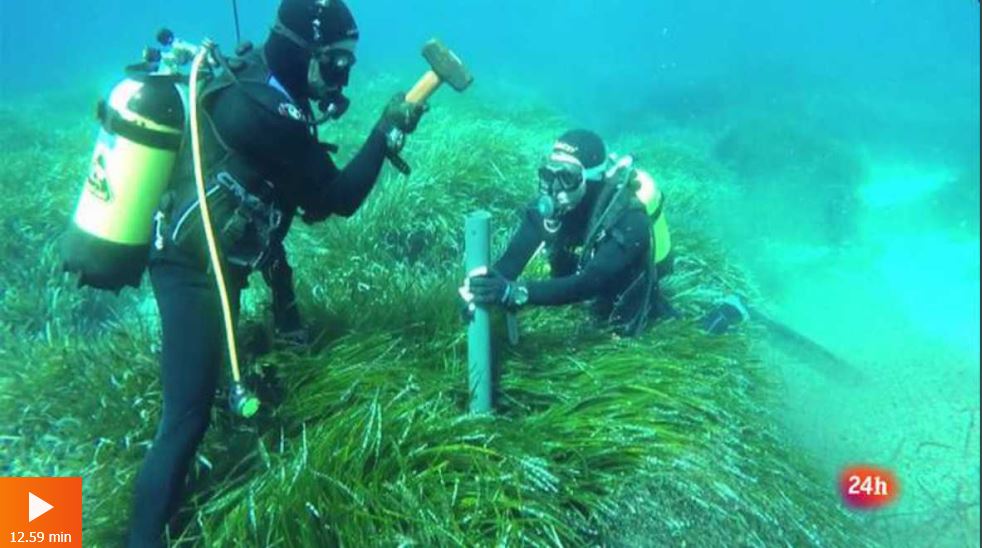
The Mediterranean of millennia ago
Publication date: July 2015
Project: Paleopark, Sumilen
Medium: TVE – Channel 24h
Type: Video report
Direct link to the report
The Cabrera Archipelago Maritime-Terrestrial National Park in Mallorca is one of the great natural laboratories where marine research projects are carried out. The programme has been there with Miguel Ángel Mateo, Ecologist and Senior Researcher at the CSIC, and the GAME team from the Centre for Advanced Studies of Blanes. They carry out the Sumilén and Paleopark projects, which use deposits of marine phanerogams to study, among other things, current environmental health and the history of our Mediterranean Sea. For the young researchers participating in the project, working in the field with people from all over the world on such a unique subject is a great experience.
2nd Technical Conference. Miguel Ángel Mateo.

Publication date: November 2013
Project: LIFE Blue Natura
Medium: Life Posidonia Andalucía – Videos
Type: Video report
Direct link to the report
The Millennial Archive of Posidonia Oceanica: Returning to the Past to Improve the Future. Miguel Ángel Mateo. Advanced Studies Centre of Blanes. Spanish National Research Council.