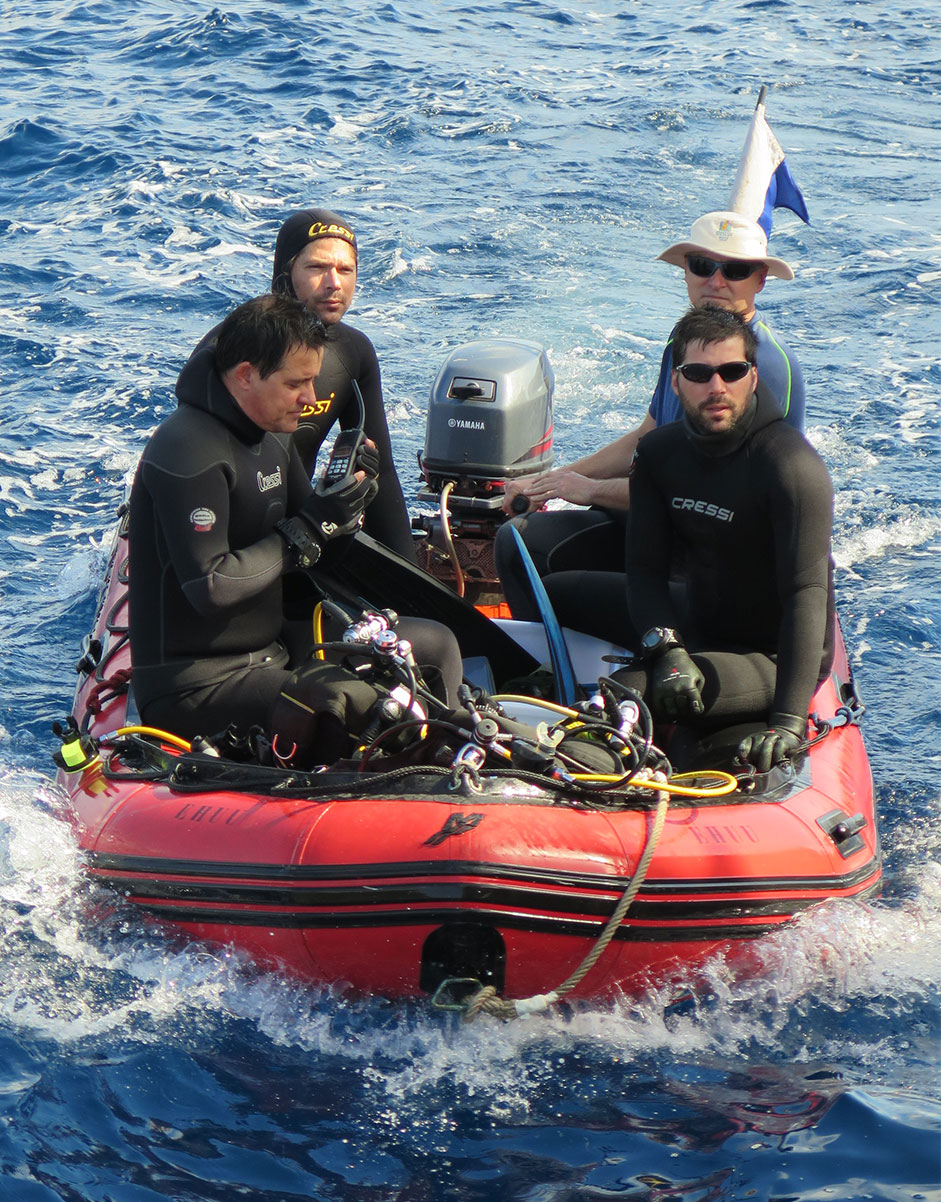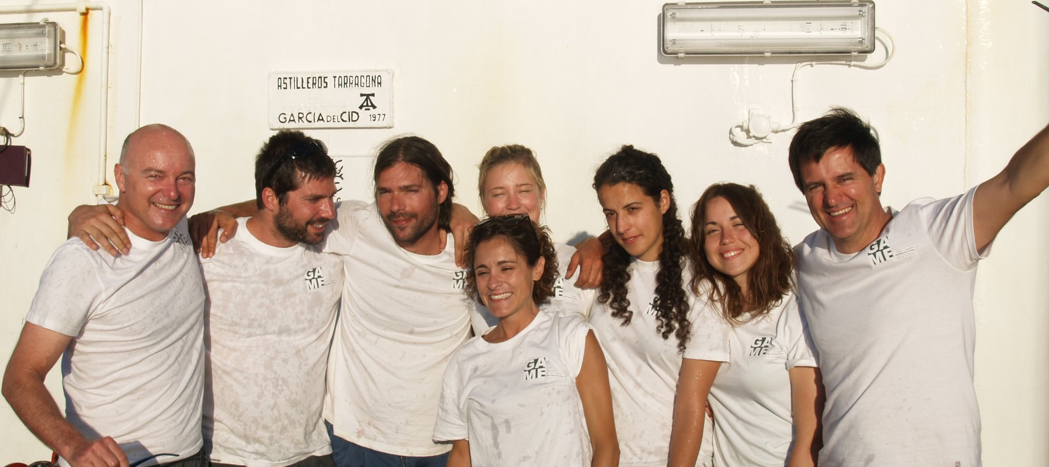
It all began with a long and unprecedented survey…
The origins of the Group of Aquatic Macrophyte Ecology (GAME) date back to the year 2000. That year, using a rather rudimentary but very effective coring method with the help of Dr Ramón Julià (ICTJA-CSIC), we were able to carry out a core sampling of about 5 m in length of the highly organic sediments formed by the Mediterranean marine phanerogam. Posidonia oceanica.
The event took place at the iconic Portlligat Bay, In the north of the Costa Brava, Spain. The so-called 'Core 2000' (C2000) has since been the backbone of the GAME, having given rise to two pioneering lines of research, now recognised and followed worldwide. The C2000 revealed two important facts:
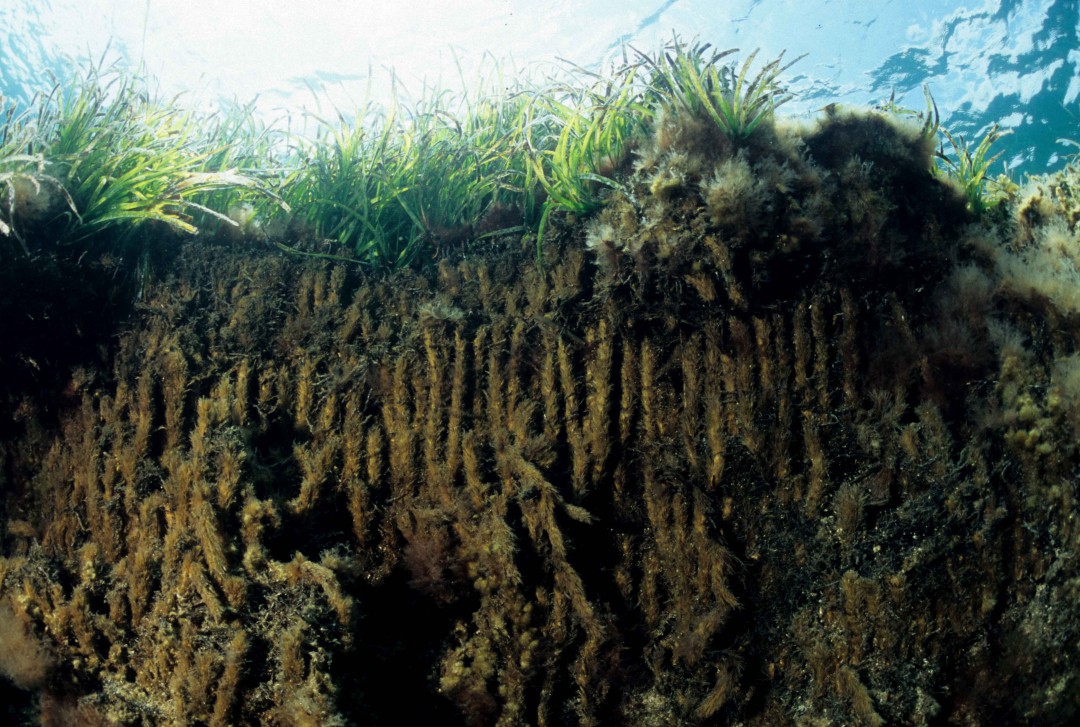
- The sediments underlying the seagrass meadows of P. oceanica They were highly organic and contained a remarkable reserve of organic and inorganic carbon.
- The survey represented a perfect chronological sequence spanning more than 4000 years of antiquity and contained a wealth of environmental information.
These two discoveries have ended up being the scientific basis for two fruitful lines of research within the group, both relevant to the global carbon cycle and to the use of marine paleoarchives for the study of change in coastal ecosystems during the Holocene.

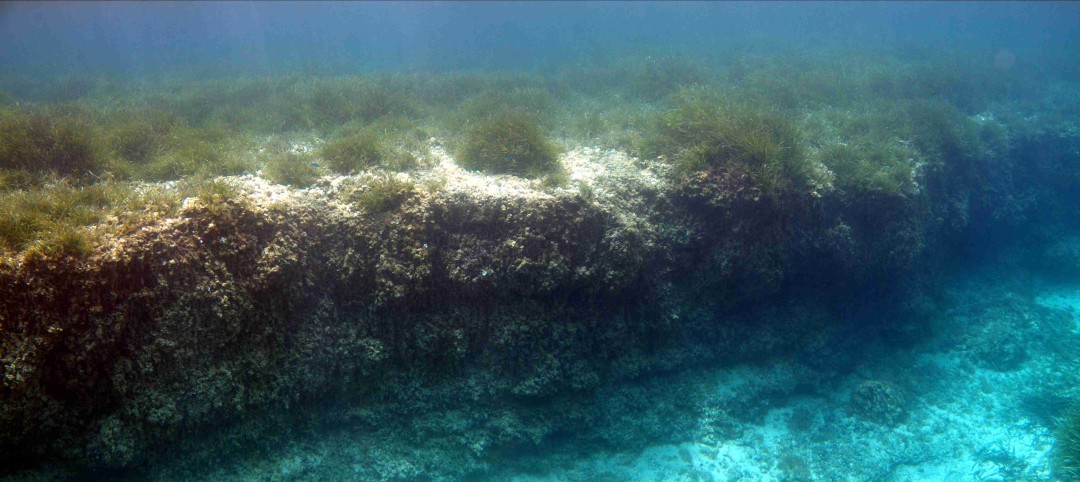
The group was officially formed in 2005 at the Centre for Advanced Studies of Blanes (CEAB), part of the CSIC, under the guidance of Dr Miguel Ángel Mateo.
In the year 2000, Miguel Ángel was a contracted researcher working between the Departments of Ecology and Plant Physiology at the University of Barcelona. When he was awarded the Ramón y Cajal contract in 2004, he moved to the CEAB-CSIC, creating the group a year later. In 2009, he was appointed senior researcher at the CSIC and later adjunct professor at Edith Cowan University in Perth, Australia (an honorary position). Since then, Miguel Ángel has continued to develop the described lines of research and explore the infinite ramifications that arise. Today's GAME would not be understood without one of its pillars, Dr Òscar Serrano (trained within the Group and now its Co-Director), nor without the "twin" group Centre for Marine Ecological Research (CMER) at Edith Cowan University (ECU) led by Prof Paul S. Lavery, or without Dr Montserrat Soler from CEAB-CSIC, coordinator of the laboratory work.
During his extensive postdoctoral work in Australia, Òscar became a globally recognised researcher and one of the leading figures in seagrass ecology and paleoecology, as well as in "Blue Carbon" science. He has been a key coordinator of the CSIRO Australian Carbon Cluster Project. Òscar leads and participates in major Blue Carbon and paleoecology projects due to his extraordinary organisational skills and extensive international network. Òscar has elevated the research lines of GAME to levels of excellence.
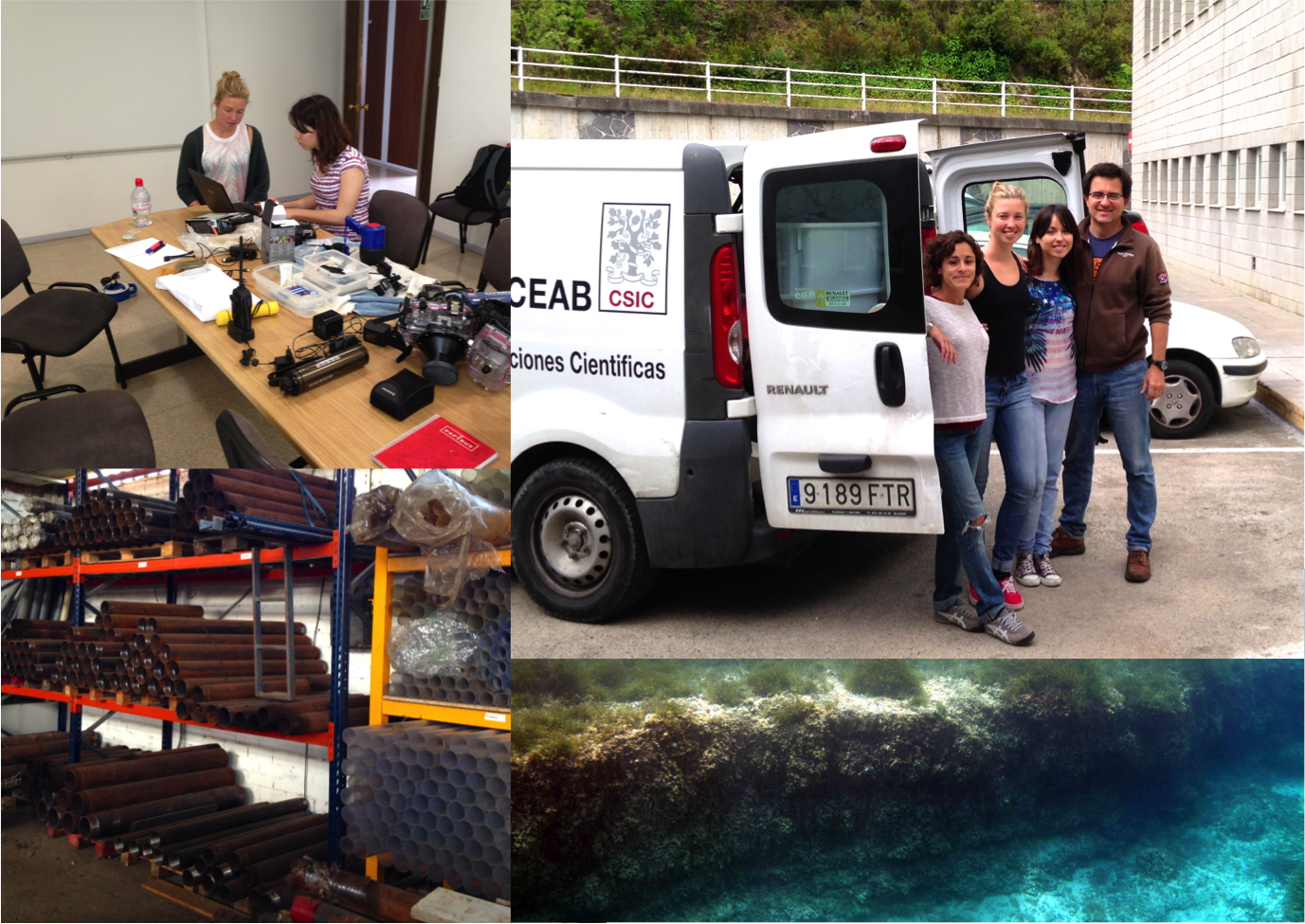
Paul is a Marine Ecology professor at the Faculty of Natural Sciences and Co-Director of the CMER at ECU. He is also a Research Fellow at the CEAB-CSIC. Over his 30 years of experience in basic and applied marine sciences, he has worked in the government sector in Australia and the United States and on some of the leading marine restoration projects in Australia and other countries, including the Peel-Harvey Management Programme, the Programa de Limpieza del Puerto de Boston and the Estudio de las Aguas Costeras de PerthHe has been a member of the working group for the review of the Australian ANZECC Water Quality Guidelines (biological monitoring).
Montserrat earned her PhD in Physical Geography from the University of Barcelona in 1991, and her interests focus on the study of soil erosion phenomena. Since 1996, she has been a civil servant at the CSIC as a Senior Technician, specialising in laboratory techniques. These include chromatography (UPLC) and soil biogeochemistry, including marine soils from seagrass meadows and salt marshes. Since 2012, she has collaborated with our Group as coordinator of laboratory work.
The brain and muscle of our group would not be what it is without the participation of numerous external collaborators and students. We already count hundreds of them, coming from different fields and levels of the educational process, both from Spain and abroad: high school teachers, interns, final-year undergraduates, master's students, Erasmus students, attendees of advanced specialization courses, doctoral candidates, postdoctoral researchers, and researchers on sabbatical leave.
Currently, GAME is a metagroup With the aforementioned senior researchers as the core, joined by students and colleagues from different groups at various stages of their scientific careers. GAME is a dynamic, open, inclusive, borderless, and friendly group. We are driven by curiosity and fascination with nature, and our commitment to protect it through knowledge.