
Appearances in digital newspaper
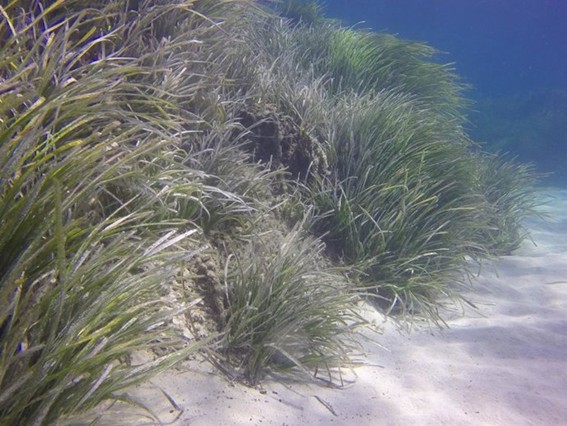
They reveal that mangroves, marshes, and seagrass beds can release mercury when they degrade.
Publication date: 22/07/2026
Medium: EuropaPress
Type: Newspaper article
Direct link
A new study reveals that these ecosystems, in addition to storing carbon, retain hazardous pollutants, including heavy metals such as mercury. The research estimates that their degradation and loss could release around 26 tonnes of this metal globally each year, highlights the associated risks, and identifies the regions of the world most at risk.
The 'blue carbon' market arrives in Europe
Publication date: 04/12/2021
Project: LIFE Blue Natura
Medium: El País, Jesús A. Cañas
Type: Newspaper article
Direct link
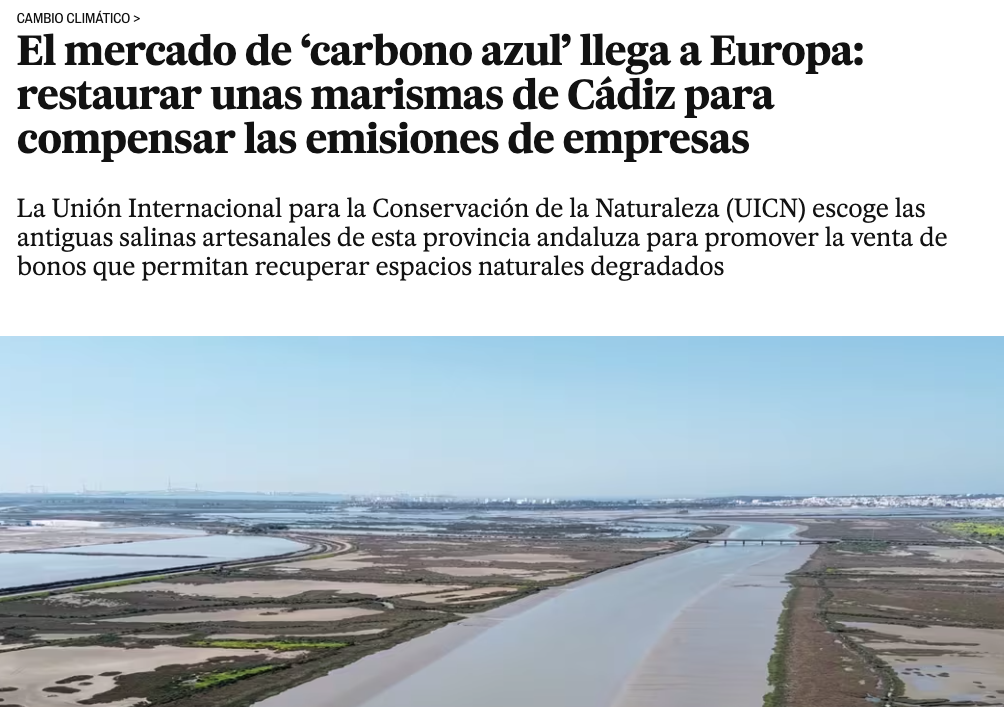
The 'blue carbon' market arrives in Europe: restoring marshlands in Cádiz to offset company emissions.The International Union for Conservation of Nature (IUCN) has chosen the old artisanal salt flats of this Andalusian province to promote the sale of bonds that will help restore degraded natural areas.
An important blue carbon sink discovered in the Bay of Cádiz
Publication date: 29/11/2021
Project: LIFE Blue Natura
Medium: QUO Magazine, Lorena Sánchez Romero.
Type: Magazine article
Direct link
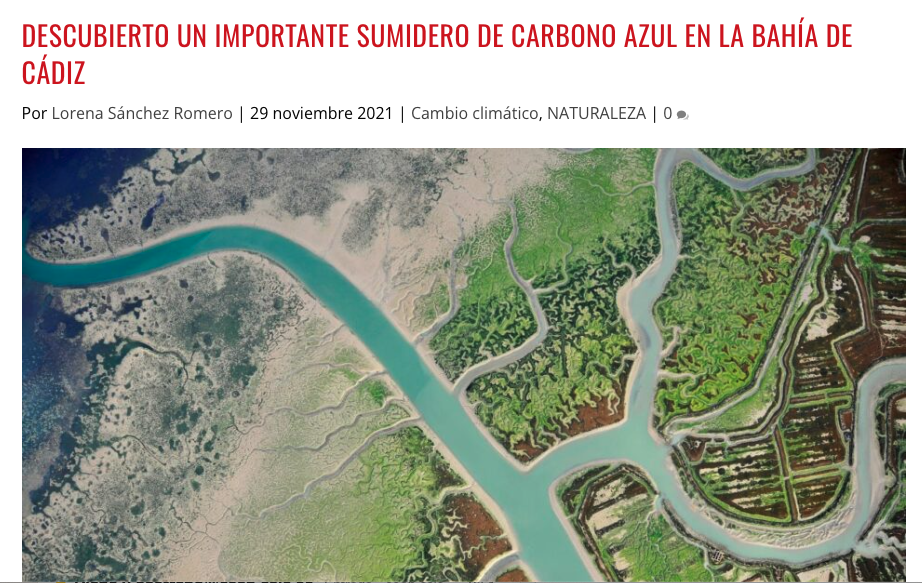
The marshes of Cádiz are revealed as an important hidden blue carbon sink, according to experts, essential for mitigating the effects of climate change.
Carbon sinks in Spain: What role do they play and why must we protect them?
Publication date: 25/11/2021
Project: LIFE Blue Natura
Medium: National Geographic, Cristina Crespo Garay
Type: Magazine feature article
Direct link
Despite their key role in mitigating climate change, more than 85 percent of Spain's wetlands have disappeared and the remaining so-called blue carbon sinks are severely degraded.
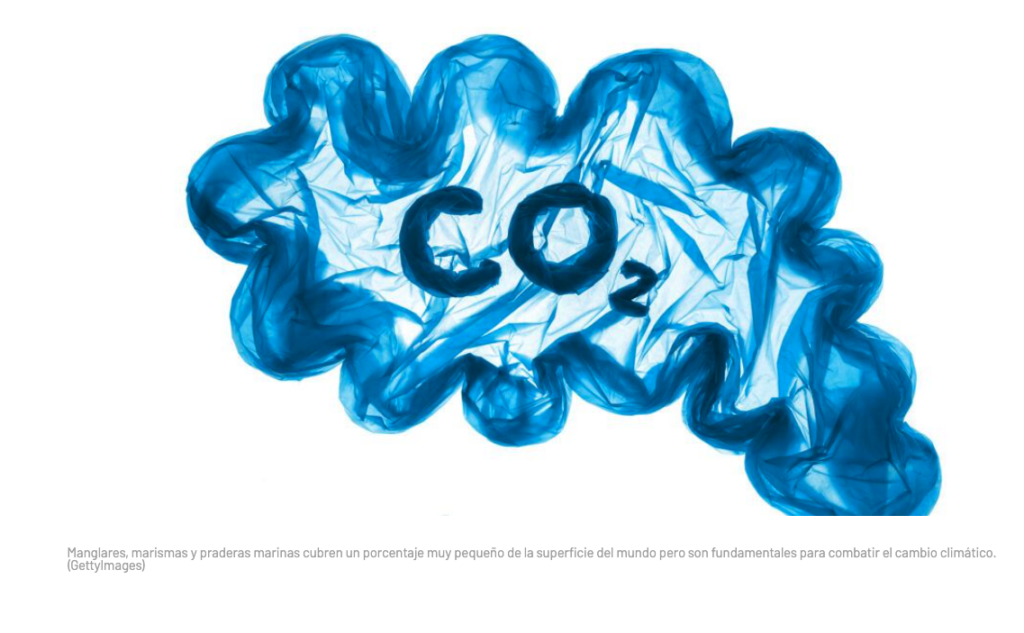
The treasure of mangroves, marshes, and seagrass meadows: what is blue carbon and why is it so important?
Publication date: 22/09/2021
Project: Collaboration with the Port of Barcelona
Medium: Pier Next Magazine, Tania Alonso Cascallana
Type: Magazine feature article
Direct link
Throughout the world, with the sole exception of Antarctica, the lines that seas and oceans draw along the coasts are home to what are known as blue carbon coastal ecosystems. These include mangroves, salt marshes, and seagrass meadows, environments that not only protect coastal habitats but also have the capacity to store large amounts of carbon.
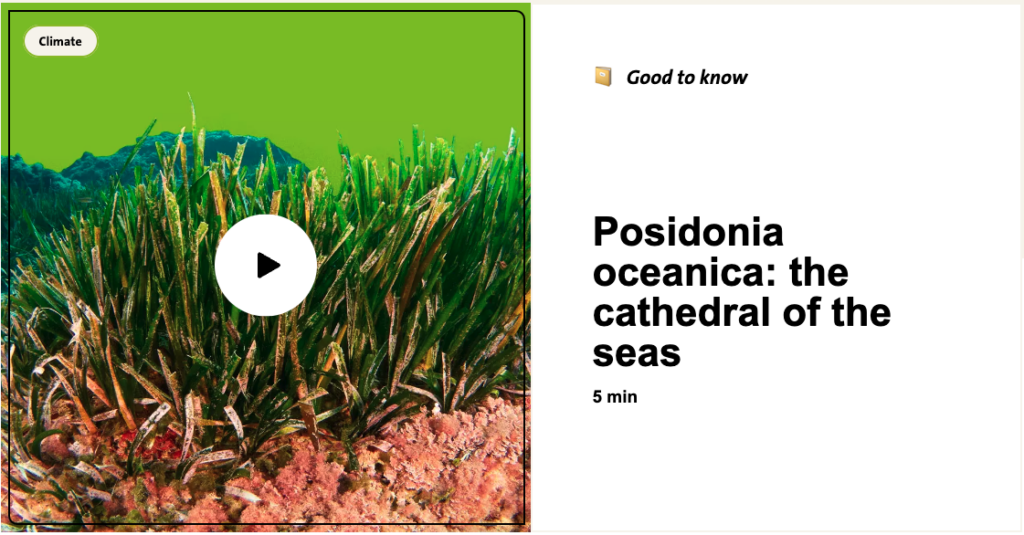
Posidonia oceanica: The cathedral of the seas.
Publication date: 2021
Project: Collaboration with Veolia.com
Medium: Up to Us, by Veolia. Amy Brandis
Type: Written interview
Direct link
Interview-feature with M.A: Mateo de Amy Brandis for Veolia (Up-to-Us) about the Posidonia oceanica meadows and their role as carbon sinks. This seagrass captures CO2 50 times faster than a tropical rainforest, but it is facing destruction. "The magnificent structure of Posidonia oceanica reminds me of a cathedral," says Dr Miguel Ángel Mateo Mínguez, joining his fingers in an arch, "they have this inner beauty, an enormous biodiversity, and the sediment beneath is the cathedral’s crypt, a history archive." Mateo, head of the Aquatic Macrophyte Ecology Group at the Spanish National Research Council, has spent his entire life researching and fighting for the protection of Posidonia oceanica, an emerald green marine phanerogam of the Mediterranean Sea. From the coasts of Sicily to Egypt, this seagrass meadow captures CO2 fifty times faster than tropical rainforests.
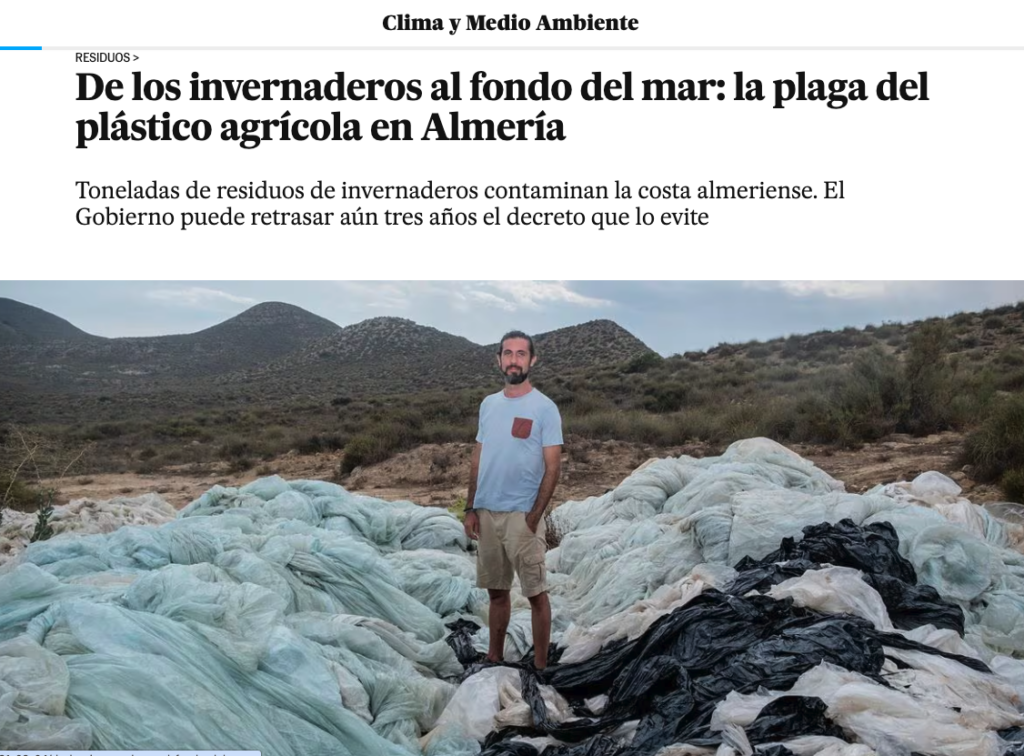
From greenhouses to the seabed: the plague of agricultural plastic in Almería.
Publication date: 04/09/2021
Project: MEDCHANGE
Medium: The Country, Javier Martín-Arroyo / Nacho Sánchez.
Type: Press report
Direct link
From greenhouses to the seabed: the plague of agricultural plastic in Almería. Tons of greenhouse waste pollute the Almerian coast. The Government can still delay the decree to prevent it by three years.
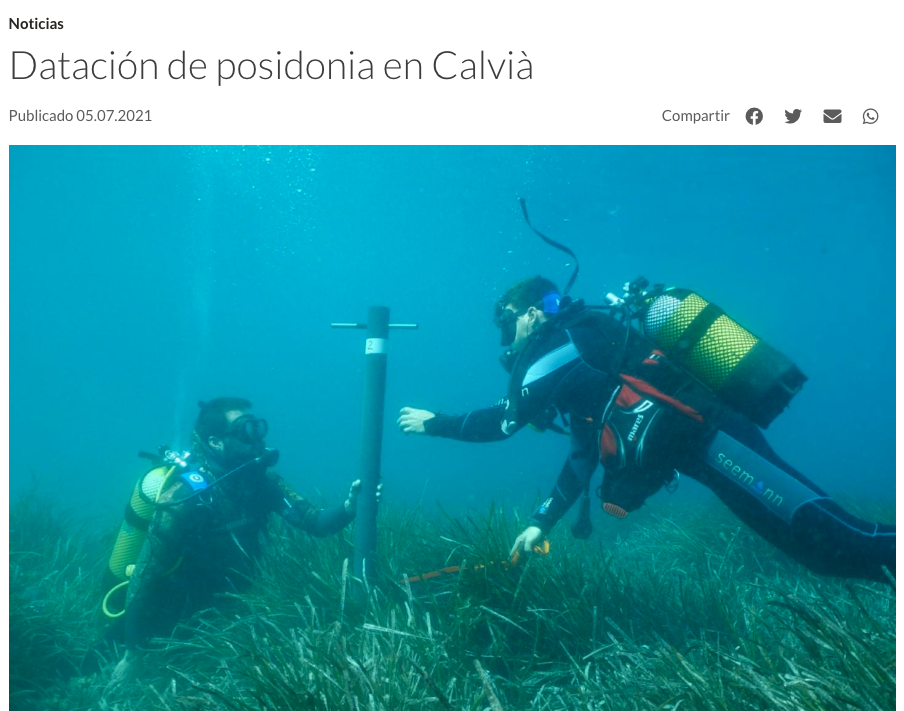
The age of the Posidonia in Calvià, Mallorca
Publication date: 05/07/2021
Project: Contract with the Marilles Foundation
Medium: Marilles Foundation
Type: Foundation post
Direct link
In order to estimate the age and amount of carbon stored by the Posidonia meadows, on 3 July the Marilles Foundation invited a team of experienced researchers – led by Dr Miguel Ángel Mateo from the Centre for Advanced Studies of Blanes (CEAB) on the Costa Brava – to sample two meadows on the coast of Calvià (in Illetes and on the beach of S’Oratori in Portals Nous). The activity was made possible thanks to the support of TrueWorld, who provided us with the solar-powered boat Stenella; as well as the support of the Department of the Environment, Puerto Portals and the municipality of Calvià.
A thousand years of fighting against climate change beneath the waters on the beaches of the municipality of Calvià.

Publication date: 04/07/2021
Project: Contract with the Marilles Foundation
Medium: Breaking News Mallorca, Jaime Mora
Type: Newspaper article
Direct link
About a thousand years ago, when climate change was still a distant concern, posidonia began its particular work of storing carbon in the sediment. It did so in underwater meadows located off the coasts of what are today heavily populated areas of Calvià, such as Illetes or Portals. Yesterday, two scientists and two students from the CSIC in Blanes went there, diving to extract so-called sediment cores, in order to date both the age of the posidonia and the amount of carbon it is capable of retaining.
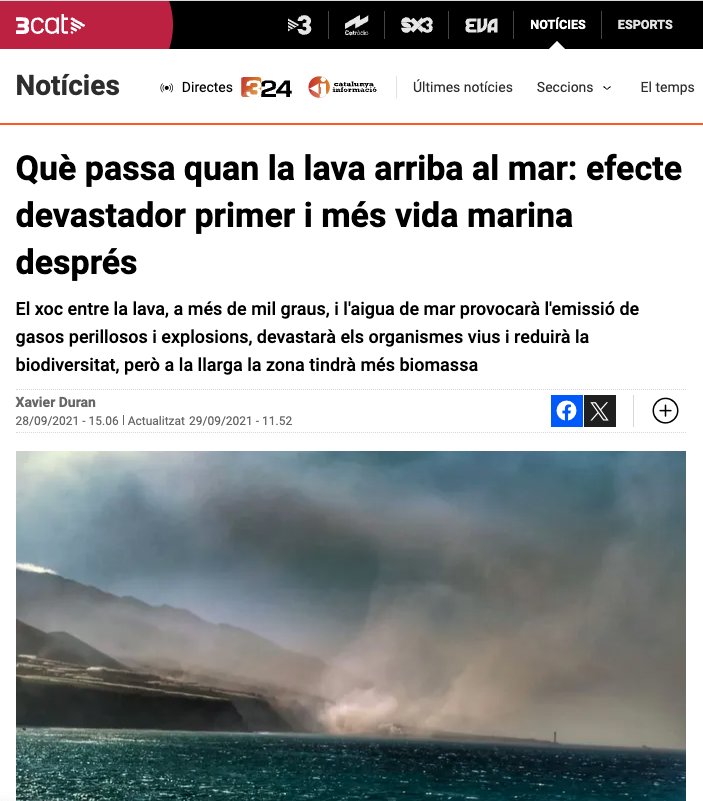
What happens when lava reaches the sea: first a devastating effect and then more marine life.
Publication date: 28/09/2021
Project: Collaboration with the Catalan Corporation of Audiovisual Media (CCMA)/324
Medium: Channel 3/24
Type: Interview
Direct link
Interview with MA Mateo to assess the possible effects of the lava flow from the La Palma volcano on the marine ecosystem. The clash between lava, at over a thousand degrees, and seawater will cause the emission of dangerous gases and explosions, devastate living organisms, and reduce biodiversity, but in the long run the area will have more biomass.
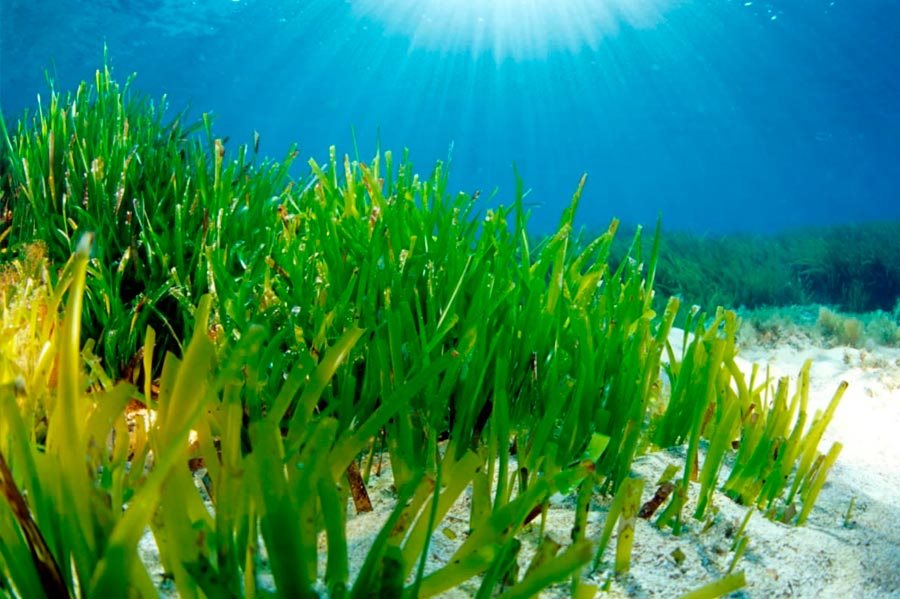
The Treasure of Poseidon.
Publication date: 03/09/2018
Project: LIFE Blue Natura
Medium: El País, Science and Matter, Maria Josep Serra.
Type: Newspaper article
Direct link
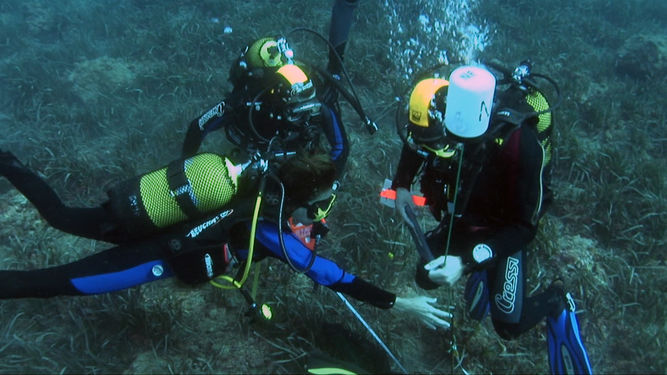
The community representatives of Life Blue Natura will tour part of the protected coastline of the Cabo de Gata-Níjar Natural Park to conduct a survey of the sampling points within its renowned Posidonia oceanica meadows. These Posidonia meadows capture tonnes of CO2 each year, which are incorporated into the mat, in the soil beneath the plant, forming a blue carbon sink, a "natural store". This term refers to the carbon fixed by coastal ecosystems such as coastal marshes and seagrass meadows.
Life Blue Natura will recognise the Posidonia meadows of Cabo Gata
Publication date: November 2017
Project: LIFE Blue Natura
Medium: Almería Daily
Type: Newspaper article
Direct link
The community representatives of Life Blue Natura will tour part of the protected coastline of the Cabo de Gata-Níjar Natural Park to conduct a survey of the sampling points within its renowned Posidonia oceanica meadows. These Posidonia meadows capture tonnes of CO2 each year, which are incorporated into the mat, in the soil beneath the plant, forming a blue carbon sink, a "natural store". This term refers to the carbon fixed by coastal ecosystems such as coastal marshes and seagrass meadows.
The Millennial Diary of Lake Dos Nenos
Publication date: November 2017
Project: Paleopark
Medium: Faro de Vigo
Type: Newspaper article
Direct link
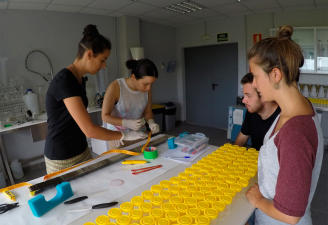
6,000 years ago, Lake dos Nenos was a coastal freshwater wetland with great biodiversity, which the ocean invaded approximately 3,000 years later, gradually transforming it into a marine ecosystem surrounded by holm oaks, pines, and extensive heaths. Today, it is severely degraded and barren as a result of the dam built in 1943. This entire ecological history is preserved in just two and a half metres of sediment, which researchers from the Paleopark project, led by the Centre for Advanced Studies of Blanes (CEAB), part of the CSIC, have deciphered over the past year. Their findings not only reveal the millennial past of Cíes but will also help restore the lake’s natural ecosystem and the original landscape of the archipelago.