
Saving seagrass meadows could help save the world's coastlines.
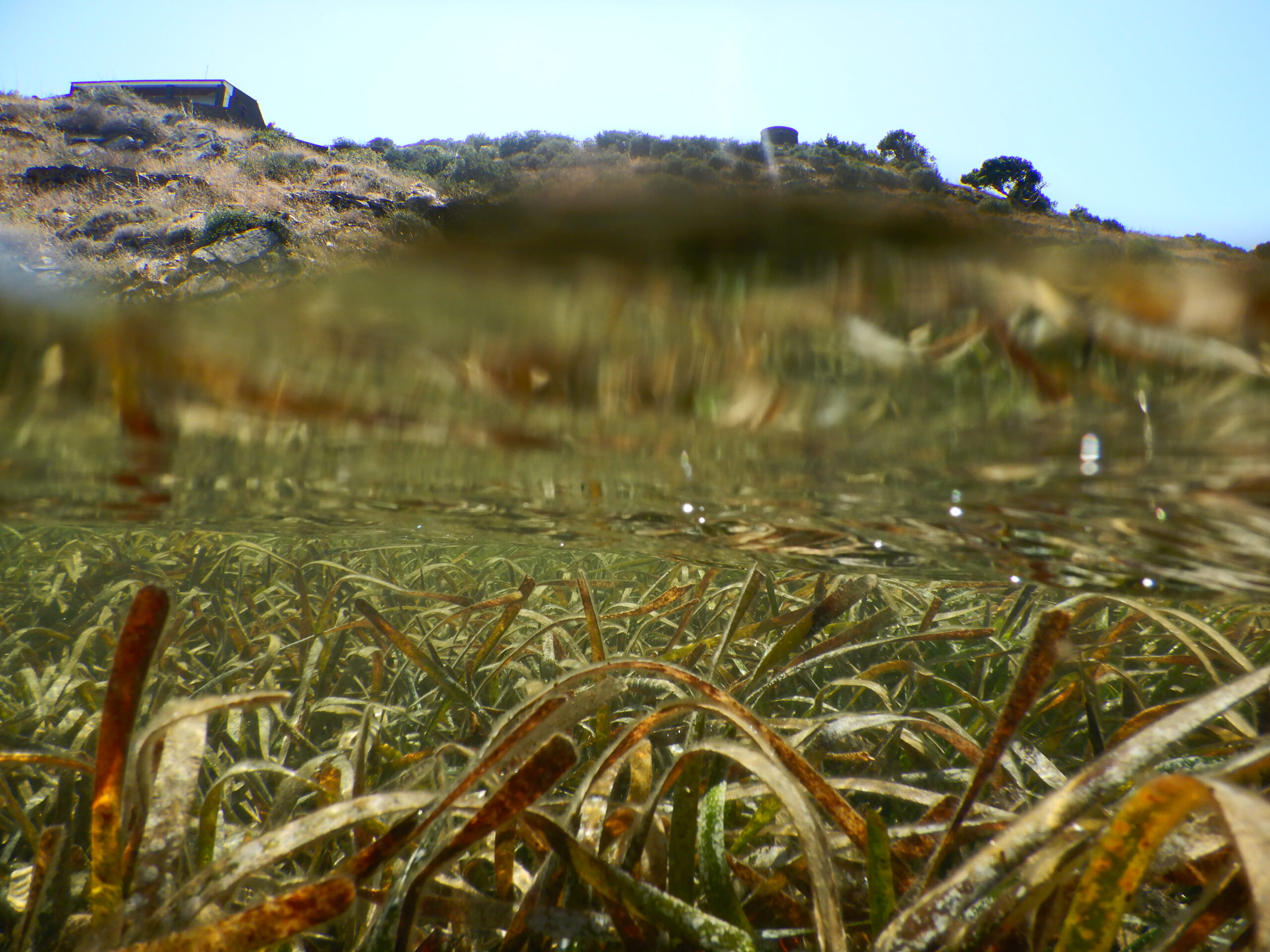
Seagrass meadows could be one of the most effective solutions to protect coastlines against the advance of climate change. This is highlighted in a recent article published in Mongabay, which emphasises the fundamental role of these ecosystems in reducing wave energy and stabilising sediments.
In the report, the Dr Óscar Serrano, researcher at the CEAB‑CSIC and leader of the GAME group, explains that seagrass meadows act as a "living barrier" capable of cushioning the impact of waves, in the same way that a forest protects the soil from wind and rain.
As Serrano explains, seagrass meadows reduce wave energy and stabilise seabed sediments, functioning similarly to a forest that protects the soil on land. Additionally, they support a high biodiversity of animals and plants that precipitate calcium carbonate in their bodies, resulting in the production of thousands of tonnes of biogenic sands each year that nourish our beaches. When these meadows disappear, coasts lose a fundamental barrier against the increase in storms, rising sea levels, and erosion associated with climate change.
The article highlights that seagrass meadows are not only important sinks of blue carbonbut also improve water quality, support biodiversity, and generate key benefits for the resilience of coastal communities. However, their degradation is advancing on a global scale, making their restoration an urgent priority.
From the GAME group, research is being conducted on how these ecosystems interact with wave dynamics and sediments, as well as how they can recover to strengthen the natural protection of our coasts. Dr Serrano's contribution to this article reflects the group's commitment to science applied to marine conservation and restoration.
Read the full article here
Related Posts
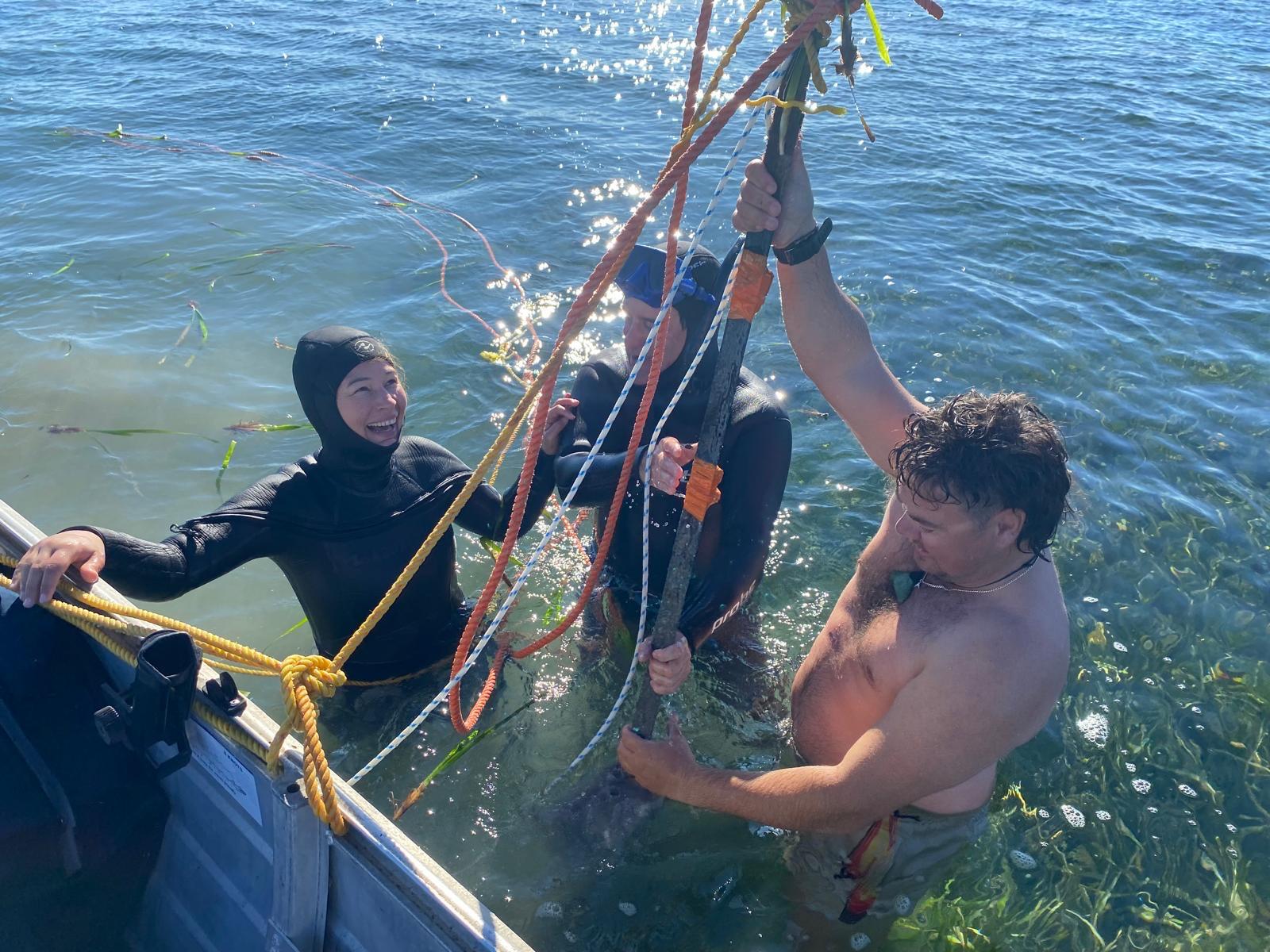
The biodiversity associated with the seagrass meadows of Shark Bay, under the scrutiny of new environmental DNA technologies
The GAME group is participating in an international campaign to assess biodiversity and capital…
We want to know your opinion about the Spanish coastal ecosystems.
G3ECA launches a survey to find out how citizens perceive the state, the threats and…