
Europe unites around the first recommendations for seagrass meadow restoration at a continental scale
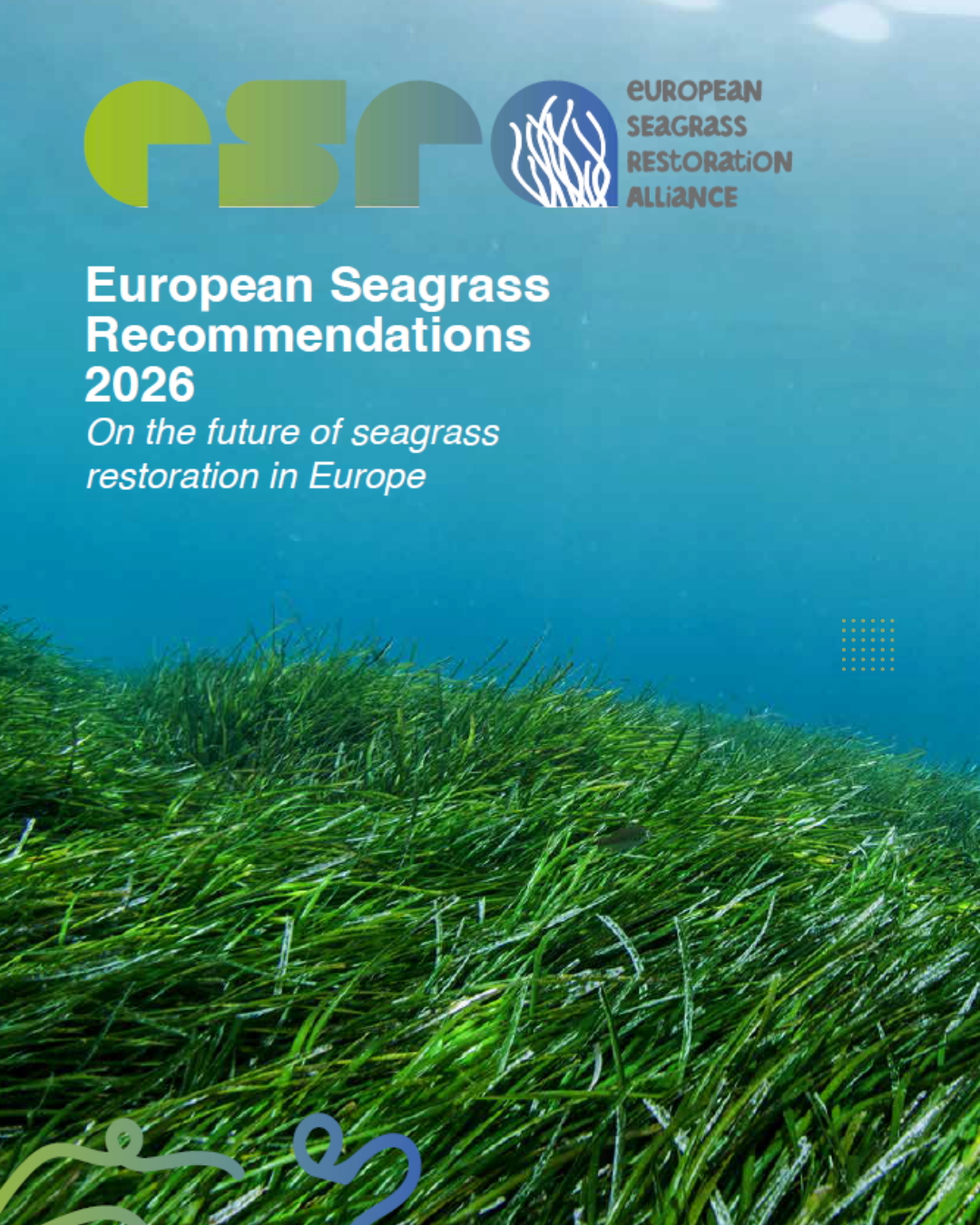
The GAME (CEAB-CSIC) joins an alliance of scientists from 17 countries to urge policymakers to protect and restore one of Europe's most vital marine ecosystems.
The European Partnership for the Restoration of Seagrass Meadows (ESRA, by its English acronym) recently published the European Recommendations on Seagrass Meadows 2026, the first continental-scale scientific consensus on how to protect, monitor and restore seagrass meadows across Europe.
Seagrass meadows are among the most productive ecosystems on the planet. These "underwater forests" support coastal fisheries, protect beaches from erosion and flooding, filter water, and store large amounts of carbon. However, poor water quality, coastal development, diseases, invasive species, climate change, and unsustainable uses have drastically reduced their presence throughout Europe. Despite their enormous ecological and social value, seagrass meadows still lack the protection and funding they need.
“We already have a solid scientific foundation and growing experience in the restoration of seagrass meadows across Europe,” stated Dr Óscar Serrano (GAME, CEAB-CSIC). “The challenge now is to translate this scientific foundation into coordinated actions, supported by appropriate policy frameworks and long-term investments. These recommendations provide a robust, evidence-based guide to move forward.”
The eight principles
The document The ESRA summarises its main recommendations in eight points:
- Protect existing seagrass meadows.
- Reduce the pressures first.
- Identify the historical, current, and potential distribution of seagrass meadows to guide their restoration.
- Long-term monitoring is essential for adaptive management.
- Develop evidence-based approaches and promote the ethical exchange of knowledge.
- Human capacity development.
- Align governance, policies, and financing mechanisms with restoration science.
- Develop and optimise resilient supply chains for transplant material
The publication of the European Recommendations on Seagrass Meadows will help facilitate the implementation of the EU Nature Restoration Law, although these recommendations are equally applicable to non-member countries. The recommendations cover the entire restoration continuum: from the protection of existing meadows and the reduction of human pressures, to large-scale active planting, long-term monitoring, and the development of sustainable supply chains for donor material. They also advocate for greater alignment between European environmental policy and restoration practice, the simplification of permits, and a substantial increase in long-term funding. The document also emphasises the importance of local involvement, ethical standards, and open access to data.
"Separately we can do very little, but together we can achieve much," said Dr Richard Lilley, president of the European Seagrass Restoration Alliance. "By fostering interdisciplinary collaborations based on values, ESRA is helping to establish a common language between science and policy. These recommendations reinforce the growing awareness and capacity of various stakeholders to restore seagrass meadows effectively and responsibly."
The recommendations were developed following the Second European Workshop on Seagrass Restoration, held in April 2025 and organised by the French Biodiversity Office in the Arcachon Basin Marine Natural Park (France), and were finalised in February 2026 after a specific meeting organised by the University of Groningen in Schiermonnikoog (Netherlands). Furthermore, these recommendations are aligned with the EU Nature Restoration Regulation, the United Nations Decade on Ecosystem Restoration, and the Kunming-Montreal Global Biodiversity Framework.
"The restoration of seagrass meadows in Europe has moved from being an aspiration to a real opportunity. This consensus reflects the collective effort of the scientific community and provides a solid foundation to transform knowledge into effective actions on the ground," said Nicole Foster (GAME, CEAB‑CSIC).
About ESRA
The European Seagrass Restoration Alliance (ESRA) is a collaborative platform that connects research with large-scale restoration practice. ESRA provides a space for the European community dedicated to seagrass restoration to collaborate and exchange knowledge.
The European Recommendations on Seagrass Meadows 2026 are openly available at: DOI: 10.5281/zenodo.20055164
Related Posts
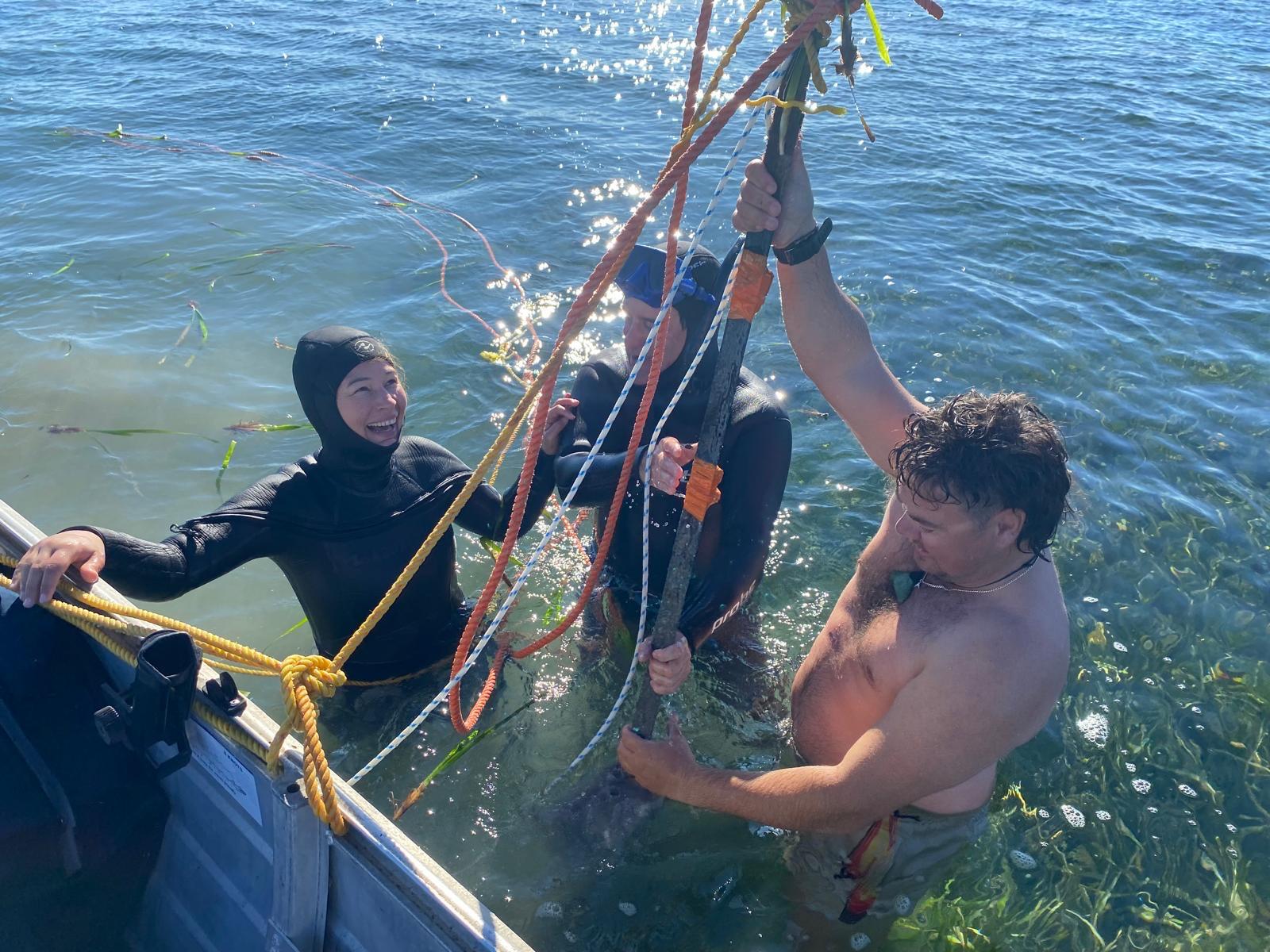
The biodiversity associated with the seagrass meadows of Shark Bay, under the scrutiny of new environmental DNA technologies
The GAME group is participating in an international campaign to assess biodiversity and capital…
We want to know your opinion about the Spanish coastal ecosystems.
G3ECA launches a survey to find out how citizens perceive the state, the threats and…