
Nature Communications highlights GAME's study on global carbon reserves in seagrass meadows
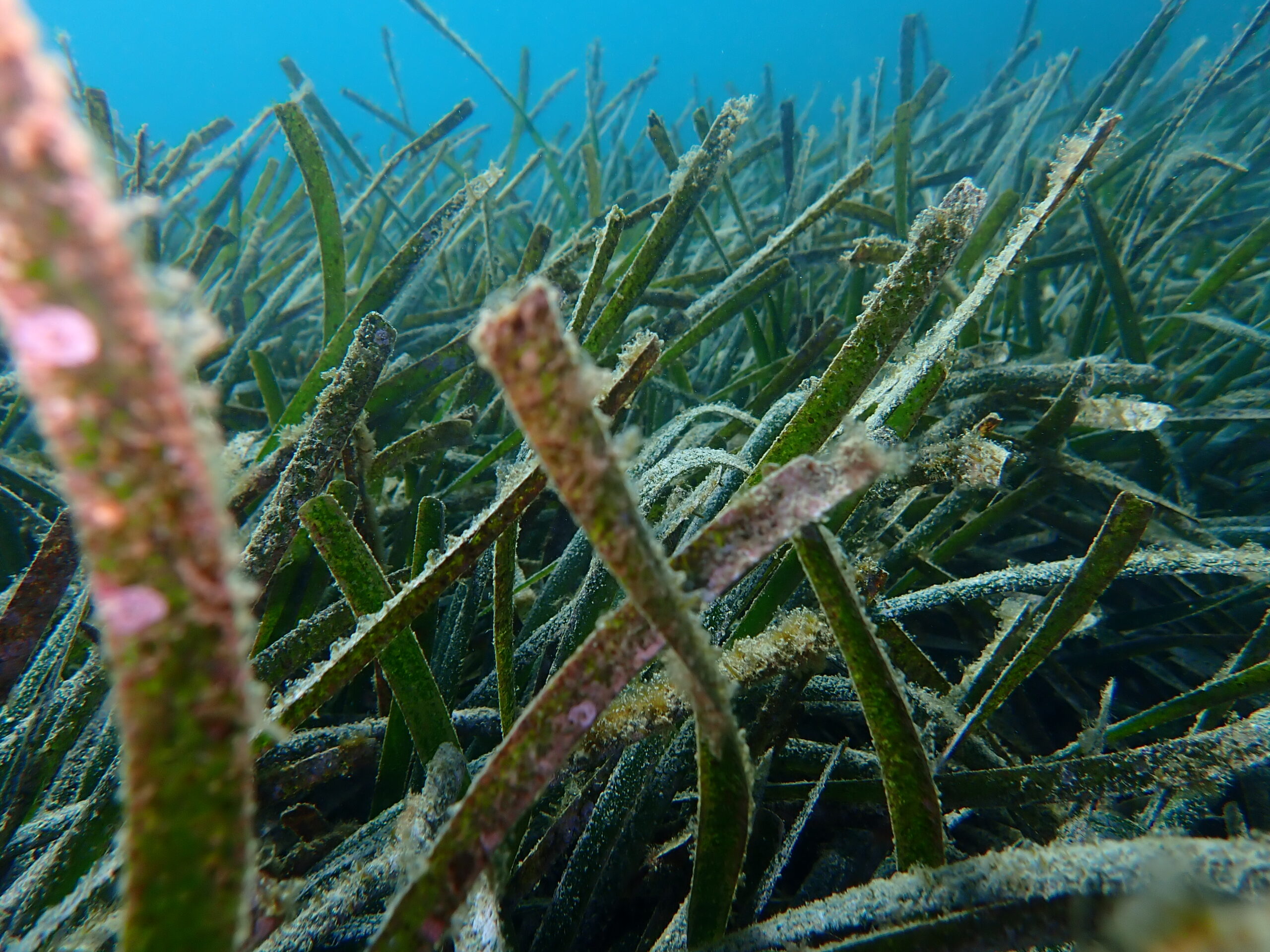
The study, published in Nature Communications, states that the living parts of seagrass meadows (leaves, rhizomes, and roots) can retain up to 40 million tonnes of carbon, which highlights its relevance in the face of climate change.
The article «Global estimates of seagrass blue carbon stocks in biomass and net primary production», led by the doctoral student Enric Gomis of the group GAME (CEAB-CSIC), has been selected by the editors of Nature Communications as one of the 50 best articles recently published in the field of Ciencias de la Tierra.
The study provides the first global estimates of carbon stored in biomass and net primary production (NPP) of the seagrass meadows, covering meadows in 66 countries and various lifecycle strategiesThe results show that seagrass ecosystems, although covering a small fraction of the ocean floor, play a disproportionately important role in the global carbon cycle, ranking among the photosynthetic ecosystems with the greatest capacity for carbon capture.
This recognition highlights the scientific impact and global relevance of the work led by Enric Gomis, along with an international team of researchers, including Óscar Serrano, Nicole Foster, and others. The study deepens the understanding of Blue Carbon Ecosystems (BCE) and provides essential data for carbon credit systems and climate change mitigation strategies.
🔗 Read the selection of the editor's picks:
🔗 Read the full article:
Related Posts
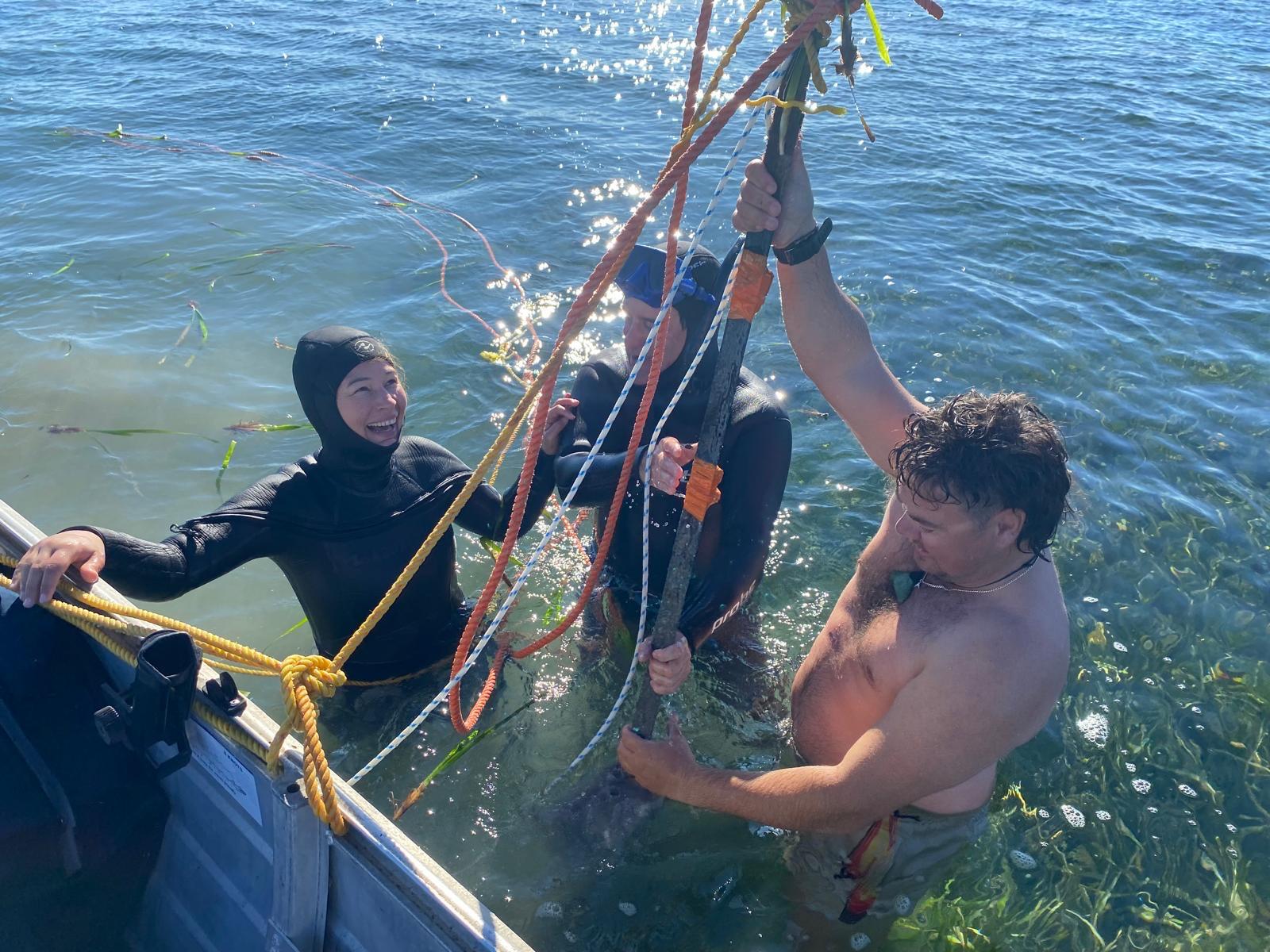
The biodiversity associated with the seagrass meadows of Shark Bay, under the scrutiny of new environmental DNA technologies
The GAME group is participating in an international campaign to assess biodiversity and capital…
We want to know your opinion about the Spanish coastal ecosystems.
G3ECA launches a survey to find out how citizens perceive the state, the threats and…