Summary
The EFFECTIVE main objective is to develop a comprehensive scientific knowledge base and practical guidance, combining science, technological nature-based solution, digitalisation, and social implication for the application of Ecosystem-Based Management to la gestión de la protección y restauración del Capital Natural Azul Mediterráneo de la UE.
To ensure the success of this main objective, the EFFECTIVE project relies on partners with extensive expertise in relevant areas covering all three pillars of the EBMS (from applying research stages to companies) as follows: managerial pillar, information pillar, and participation pillar and also a nature-based solution. In addition, this project provides the implementation of the EBMS in four pilot sites. areas (Mar de l’Empordà, Ebro Delta, Northern Sardinia, Cavo Greco) towards protection and restoration solutions, besides taking taking into account the connectivity between three of them through the existing Cetacean Migration Corridor.
To achieve the EFFECTIVE main objective, the following 5 specific objectives (SO) are identified:
SO 1. Apply EBMS to identify, analyse and extend an ecological corridor in the Mediterranean Sea, connecting habitats and biodiversity.
SO 2. Apply EBMS to analyse and extend the status of [4] MPAs in the Mediterranean Sea.
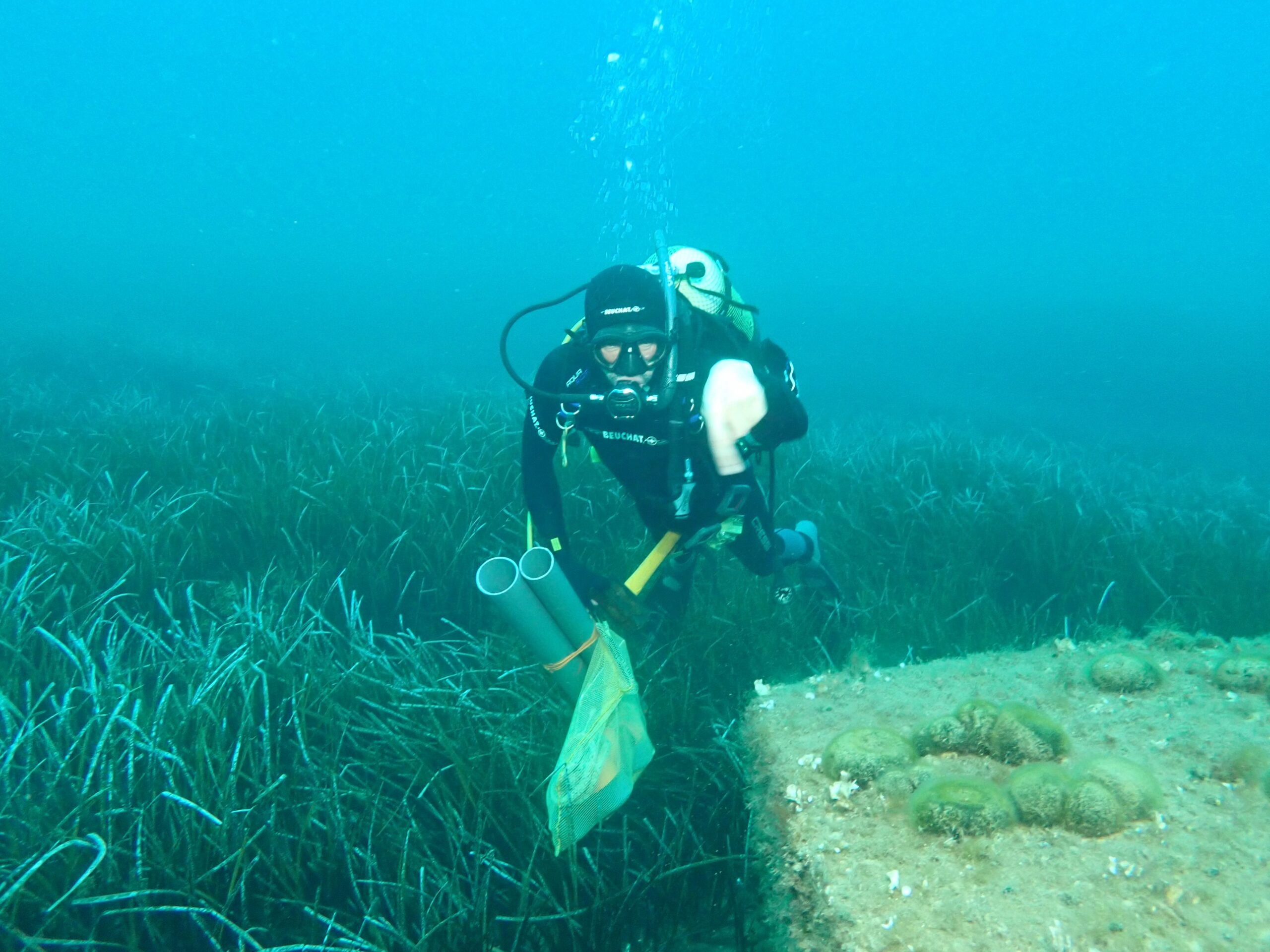
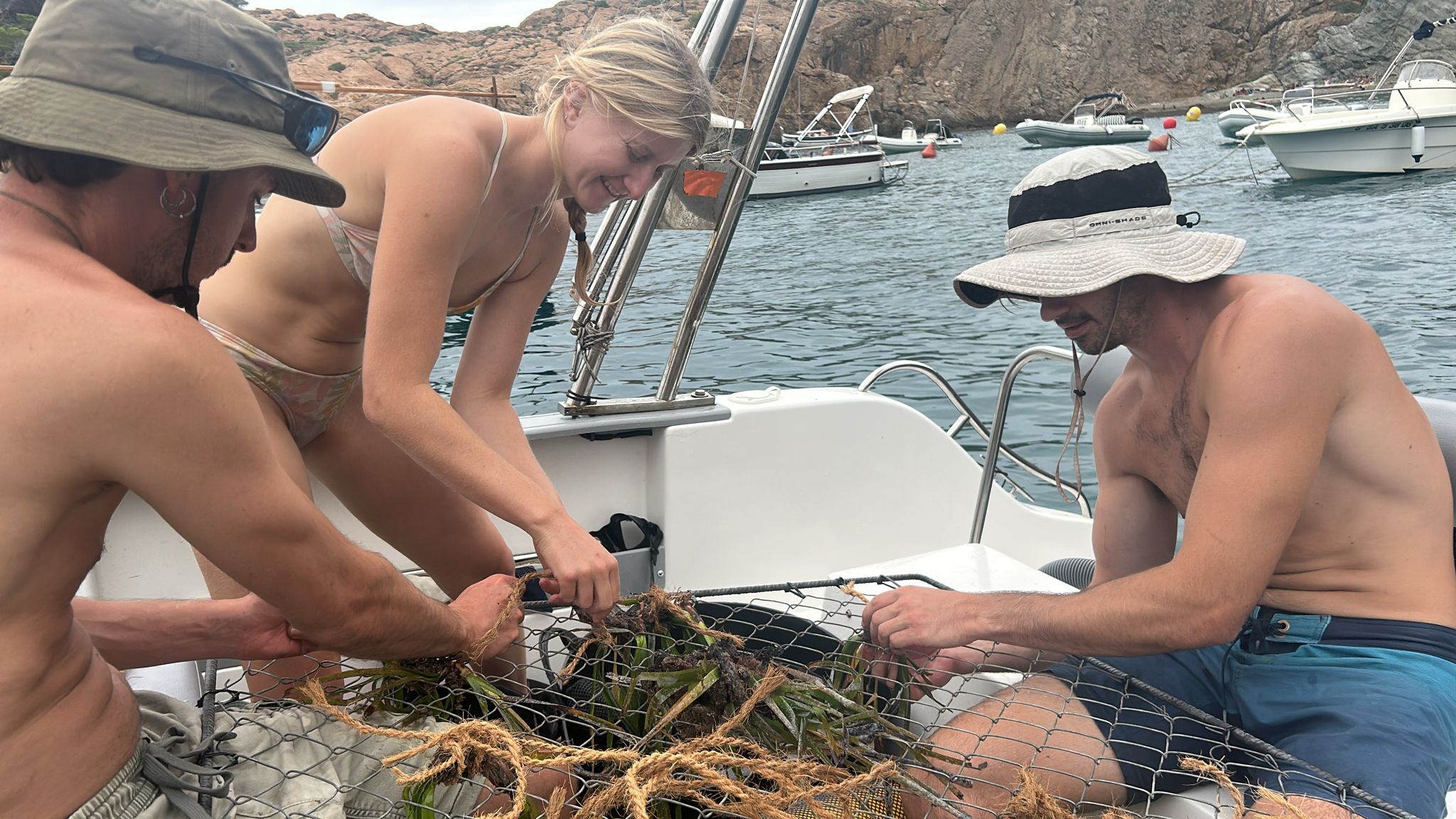
SO 3. Demonstrate [4] nature-based seabed protection and restoration solutions, including preserving seabed carbon sequestration capacity, in a real environment.
SO 4. To identify limiting factors, gaps and recommendations of existing MPA legislation regarding environmental and anthropogenic aspects. pressures, establishing connections with previous projects.
SO 5. To implement an innovative digital data visualisation and aggregation tool in the form of a Digital Twin for enabling data exploration, research, participation and citizen science.
GAME participation:
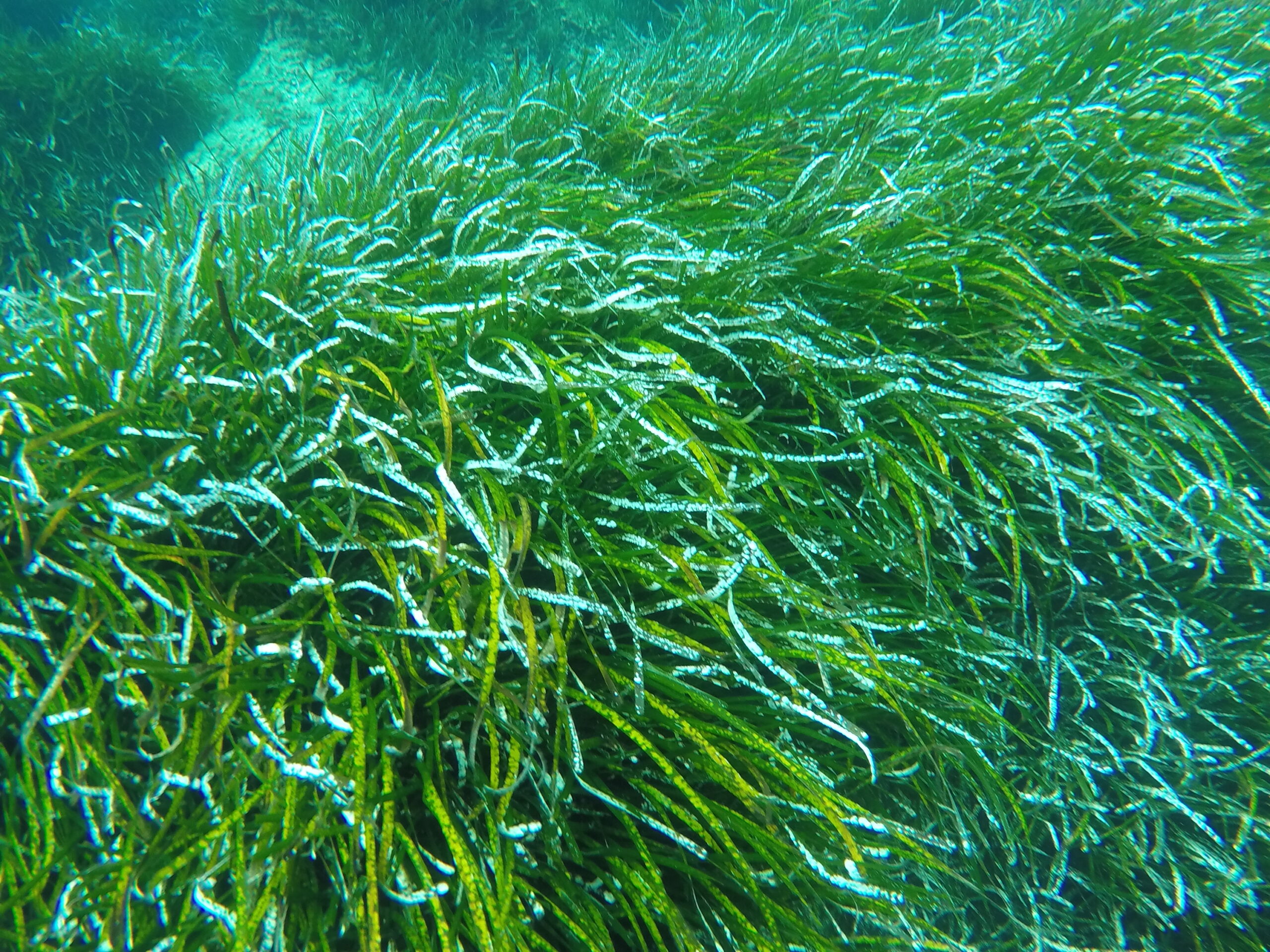
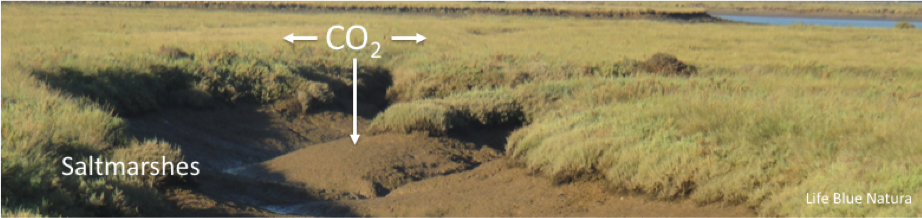
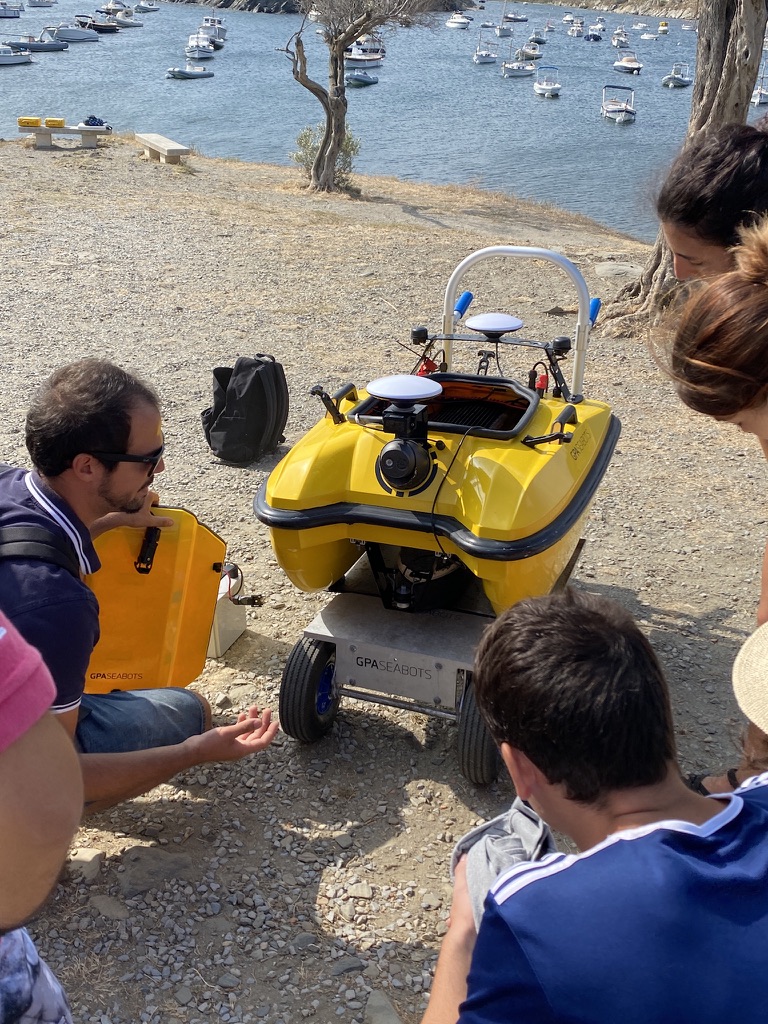
Blue Carbon stock mapping – CSIC and GPA will integrate appropriate instrumentation (Multibeam Echosounders, Sub-bottom Profiling systems, underwater cameras and GPS) and the knowledge acquired over recent years to: i) develop artificial intelligence models that enable discrimination between rock, sand and Posidonia, and produce 2D georeferenced maps; ii) quantify the blue carbon stock stored in P. oceanica Plant and in the sediments from sub-bottom profiles that provide 3D views allowing the sediment layer housing the dried carbon to be seen. These procedures will be carried out in Portlligat and the Ebro Delta.
Related news
Publications
Details
Reference: 101112752 – GAP-101112752
Project members and collaborators
Rafa Sardà Borroy
Pau Guasch (GPA SeaBots)
Miguel Ángel Mateo Mínguez
Òscar Serrano
Montserrat Soler
Mar Truc
Elliot Bates