
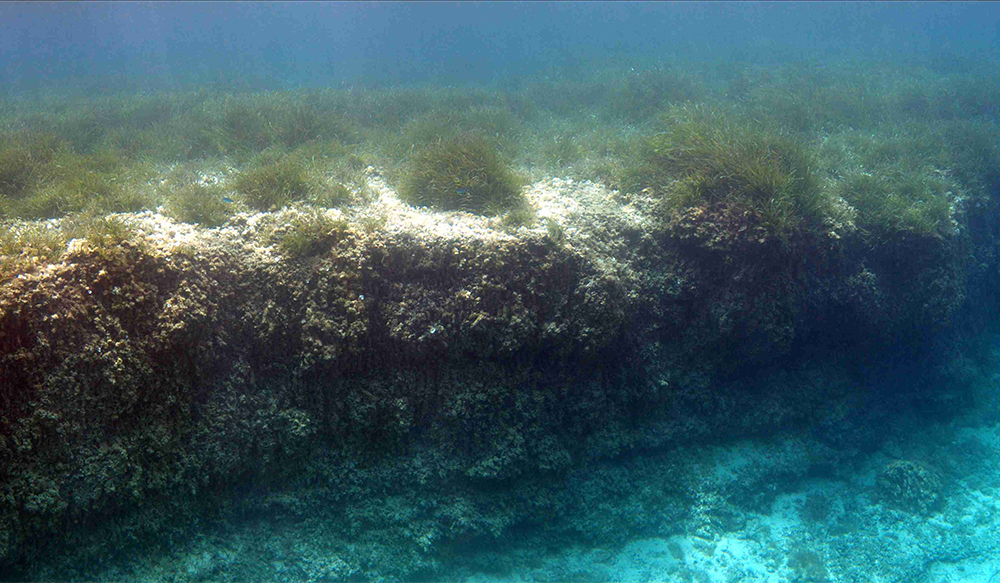
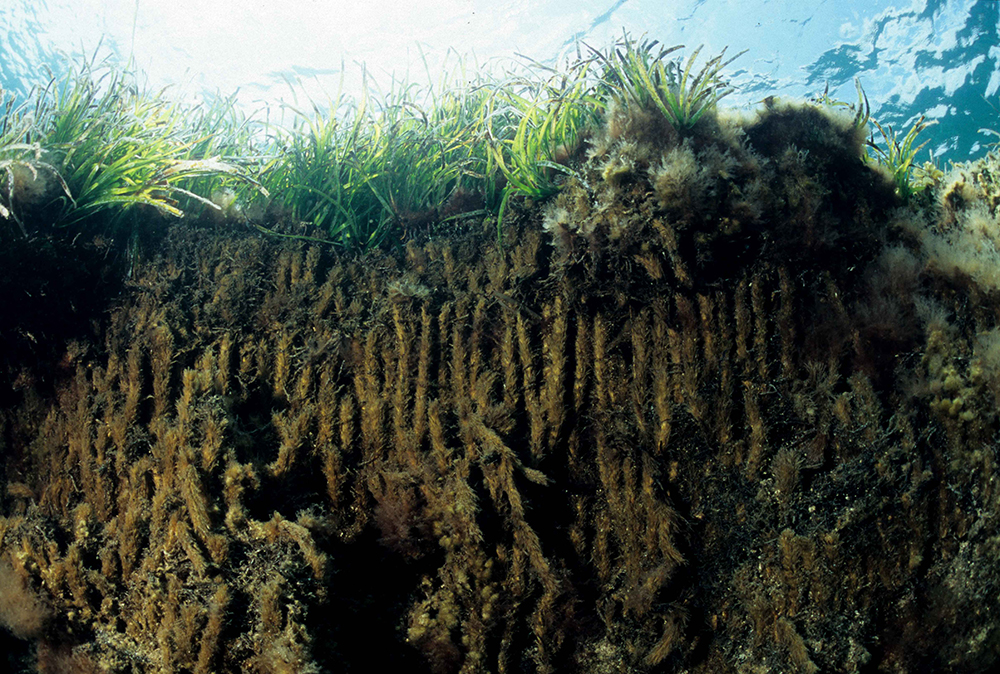
Todo comenzó con un núcleo largo… The origins of the Group of Aquatic Macrophyte Ecology (GAME) date back to the year 2000. That year, using a rather artisanal but very effective field coring method, it was possible to sample a 5m-long core of the peaty sediments formed by the Mediterranean seagrass. Posidonia oceanica In the north of the Costa Brava, Spain. The ‘Core 2000’ has formed the backbone of GAME by giving birth to two pioneering research lines, which are currently widely recognised and followed worldwide. It revealed two important facts: 1. the sediments underlying the seagrass P. oceanica They were highly organic and contained a remarkable stock of organic and inorganic carbon, and 2. the core represented a perfect chrono-sequence spanning over 4000 years. These two discoveries turned out to become the scientific foundations for two fertile lines of research within the group, both of which are relevant to the global carbon cycle and to the use of marine palaeo-archives for the study of change in the coastal ecosystem over the Holocene Period.
Senior members
The group was created by Dr Miguel Ángel Mateo, who at that time was a contracted researcher at the Plant Physiology Department of the University of Barcelona. When awarded the Ramon y Cajal Fellowship in 2004, Dr Mateo and his team moved to the Centre for Advanced Studies of the Spanish Council for Scientific Research (CEAB-CSIC). Four years later, he was appointed a CSIC tenured researcher and, more recently, Adjunct Professor at Edith Cowan University in Perth, Australia.
Recently, GAME has been fortunate to welcome the addition of 2 senior scientists, Prof. Paul Lavery, from Edith Cowan University (ECU, Perth, Australia and Prof. Antonio Martínez-Cortizas, from the University of Santiago de Compostela (USC, Spain), and an early career scientist, Dr Oscar Serrano, a PhD student trained in GAME, now a renowned seagrass scientist completing a successful 5-year postdoctoral fellowship at Edith Cowan University and the University of Western Australia.
Paul is a Professor of Marine Ecology in the School of Natural Sciences and Co-Principal of the Centre for Marine Ecosystems Research (ECU). With 20 years’ experience working in applied marine science, he has worked in the Government sector in Australia and the USA and on some of the major marine restoration projects in Australia and overseas, including the Peel-Harvey Management Programme, the Boston Harbour Cleanup Programme and the Perth Coastal Waters Study. He is currently a member of the working group revising the ANZECC Water Quality Guidelines (biological monitoring).
Antonio is Professor of Soil Science at the Faculty of Biology at the USC. He is the coordinator of the research group Earth System Science (ES2). His research focuses mainly on applications of environmental geochemistry for characterising ecosystem functioning and tracing past environmental changes, with particular interest in the role of human activities since prehistory.
Expertise and interests
GAME is widely recognised as a leading group in the carbon dynamics of seagrass ecosystems and in the estimation of carbon fluxes, a prerequisite for understanding the role of seagrasses in carbon sequestration.
During the last 15 years, within the framework of 15 competitive projects, GAME has been one of the leading groups in seagrass ecology, gaining a reputation in the area of carbon biogeochemistry in coastal marine ecosystems, and the leading group in palaeo-ecology using the seagrass sedimentary archive. Apart from other important contributions in the field of seagrass ecology (use of stable isotopes as environmental, trophic, and physiological tracers; population ecology; environmental diagnosis using aquatic macrophytes), the work of GAME has focused on the cycling of carbon and other nutrients in benthic marine and beach ecosystems. The group has applied its knowledge to the development of ecosystem mass balances, the estimation of regional carbon storage (CO2 sequestration and burial) and the palaeoreconstruction of past environmental conditions in Mediterranean climate regions. Recently, with the incorporation of Antonio Martínez-Cortizas, the group has begun to address purely biogeochemical, edaphological, and microbiological aspects of great importance for understanding the phenomenon of refractory accumulation.
An important aspect of GAME is its experience in coordinating multi-institutional and multinational research programmes, incorporating both ecological and socio-economic studies. The group has coordinated several major national and international studies of the Mediterranean region, including North Africa and Australia. Between the drafting of this document and 2020, GAME will be working on at least five active projects, funded by the Spanish National Research Programme, the Spanish National Parks Funding Scheme, the EU LIFE programme, and the Australian University-Industry Collaboration Funding Scheme. In these projects, we are addressing previously unstudied problems of the phenomenon of refractory accumulation from an edaphological perspective, making the first attempts at modelling carbon accumulation dynamics in seagrass ecosystems, exploring a wide range of new proxies for the palaeoreconstruction of environmental change from local to global scales, and elucidating the source of the dangerous ambient lead concentration in Port Pirie, Australia. The studies take place mostly in two Mediterranean climate regions with a high presence of seagrass meadows: the Mediterranean Sea, and Western and South Australia. This experience places the group in an excellent position to facilitate the involvement of researchers of different nationalities in national, regional and international research initiatives.
Algunos hitos y métricas
GAME has an extensive peer-reviewed publication record on marine ecology, biogeochemistry and global change. Its publications are highly cited in the literature on marine carbon cycling, and include significant works published in Science, Nature Geoscience, Global Change Biology, Global Biogeochemical Cycles, Palaeogeography, Palaeoclimatology, Palaeoecology, Quaternary Research, PLOS ONE, and other Q1 journals. These works include a seminal publication in 1997 setting the foundations of the study of the long-term refractory accumulation of organic carbon in seagrass sediments (download), another in 2002 introducing these sediments as paleo-archives, one in 2006 reviewing the knowledge on carbon fluxes in seagrass ecosystems (download), two in 2009 (download) and 2010 (download) presenting the first environmental reconstructions using the seagrass paleo-archive, one in 2011 establishing the origins of metal pollution in the Mediterranean (download), a report in 2012 commissioned by the IUCN to review the role of Posidonia oceanica As a carbon sink, a key 2012 publication in Nature Geoscience which synthesized the global stocks of carbon captured in seagrass ecosystems (download), a pioneering paper in 2013 showing the key importance of variability in the phenomenon of refractory accumulation in Australian seagrasses (download), or a synopsis of the effects of climate change on Mediterranean seagrasses appeared in 2014. Currently, GAME is coordinating the development of a Mediterranean-region research initiative (EU LIFE programme) on the storage of carbon in seagrass ecosystems and its incorporation into carbon trading schemes.
In 2014, the publications of all research members of GAME totalled more than 500 with almost 10,000 citations, and a global h-index of 52.
A dynamic and committed group
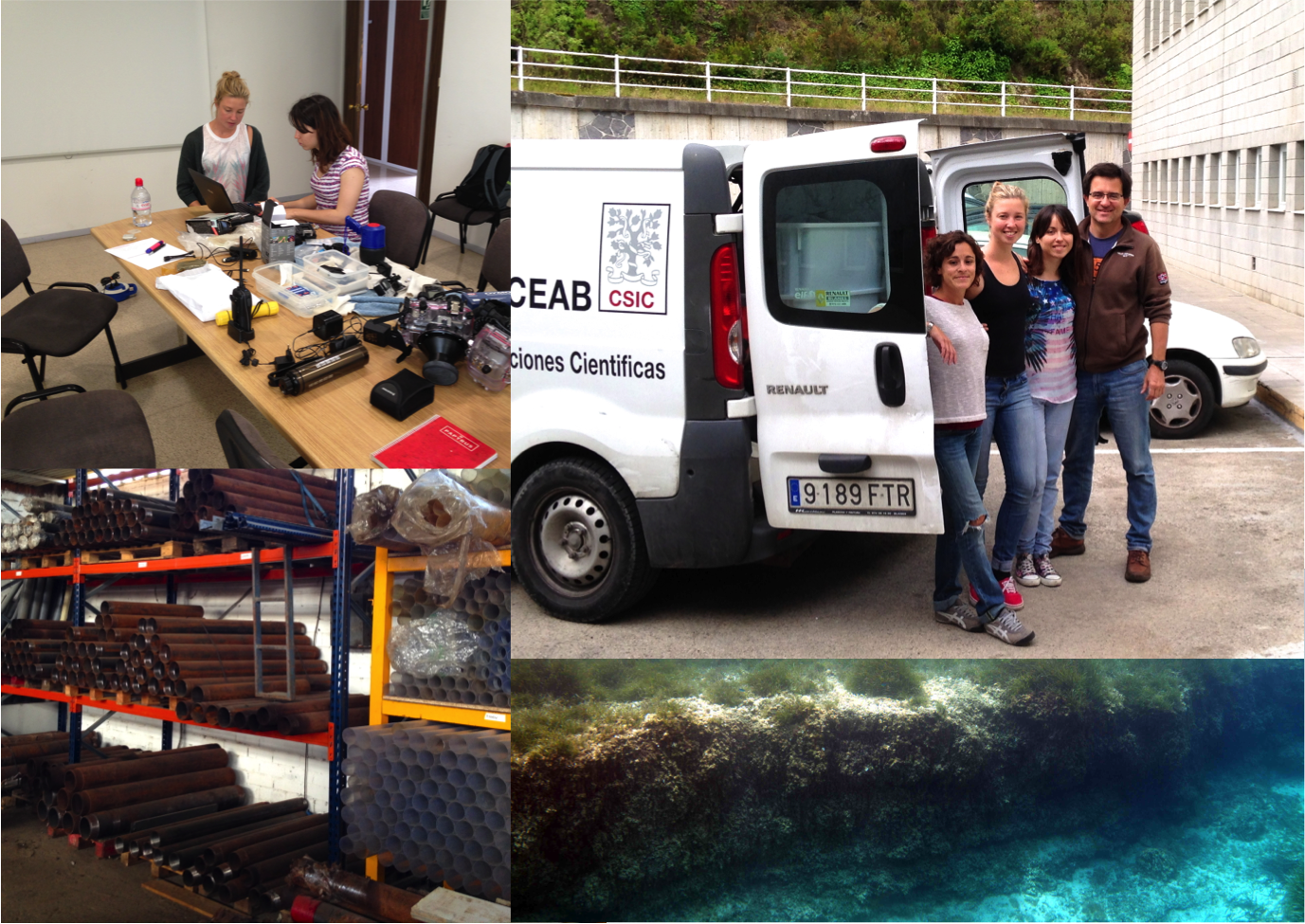
GAME has no geographical barriers when it comes to collaborations and enjoys reuniting and participating in multinational and multidisciplinary consortia. The people who have contributed to GAME have been, beyond any doubt, the most important asset of the group. GAME has hosted secondary and high school students, undergraduate and master's students, PhD and postdoctoral fellows, contracted technicians and researchers, and adjunct doctors. The countries of origin of the people collaborating or having collaborated with GAME amount to 20 and include Australia, Brazil, Canada, Denmark, Egypt, England, France, Germany, Greece, Italy, Kenya, Malta, Mexico, Morocco, Portugal, Spain, Sweden, The Netherlands, Tunisia, and the USA.
The senior members of GAME have supervised 20 PhD theses, 56 Master’s theses, 18 Honours projects, and a large number of practicums and training sessions for students from many different backgrounds and educational levels. Combined with the novelty of the group’s research lines and its interdisciplinary nature, GAME provides the ideal conditions to offer an excellent framework for young researchers to develop a successful career while establishing international and interdisciplinary networks.
In addition to peer-reviewed scientific articles and participation in international and multidisciplinary research programmes, GAME is also very active in disseminating its activities at national and international conferences (around 200 oral presentations), as well as in the media, including the printed press, radio, and television (around 100 appearances). Furthermore, GAME regularly organises outreach activities to raise public awareness of the need to preserve our ecosystems (courses, talks, seminars, and round tables). Finally, through Miguel’s participation on the Board of Directors (link) and in the Publications and Awards Committee of the Association for the Sciences of Limnology and Oceanography (ASLO), GAME contributes to promoting aquatic sciences worldwide.
Mission and vision
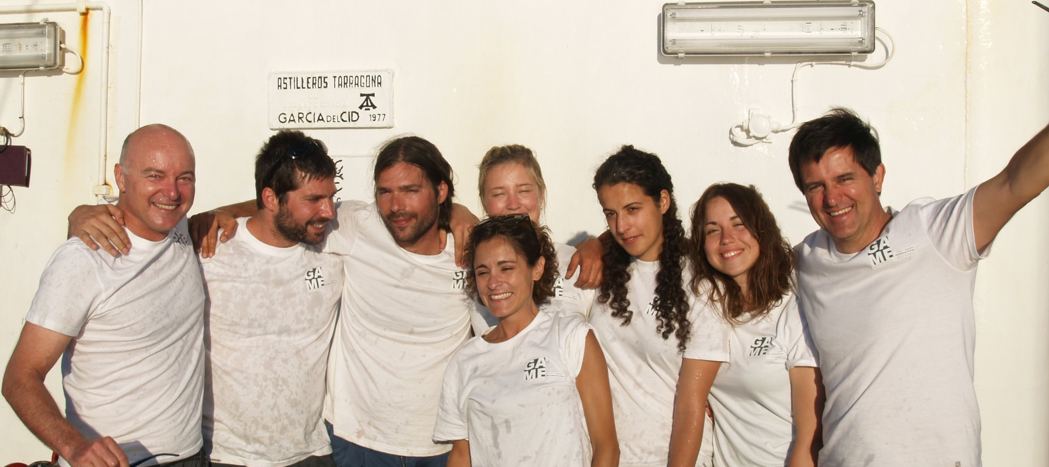
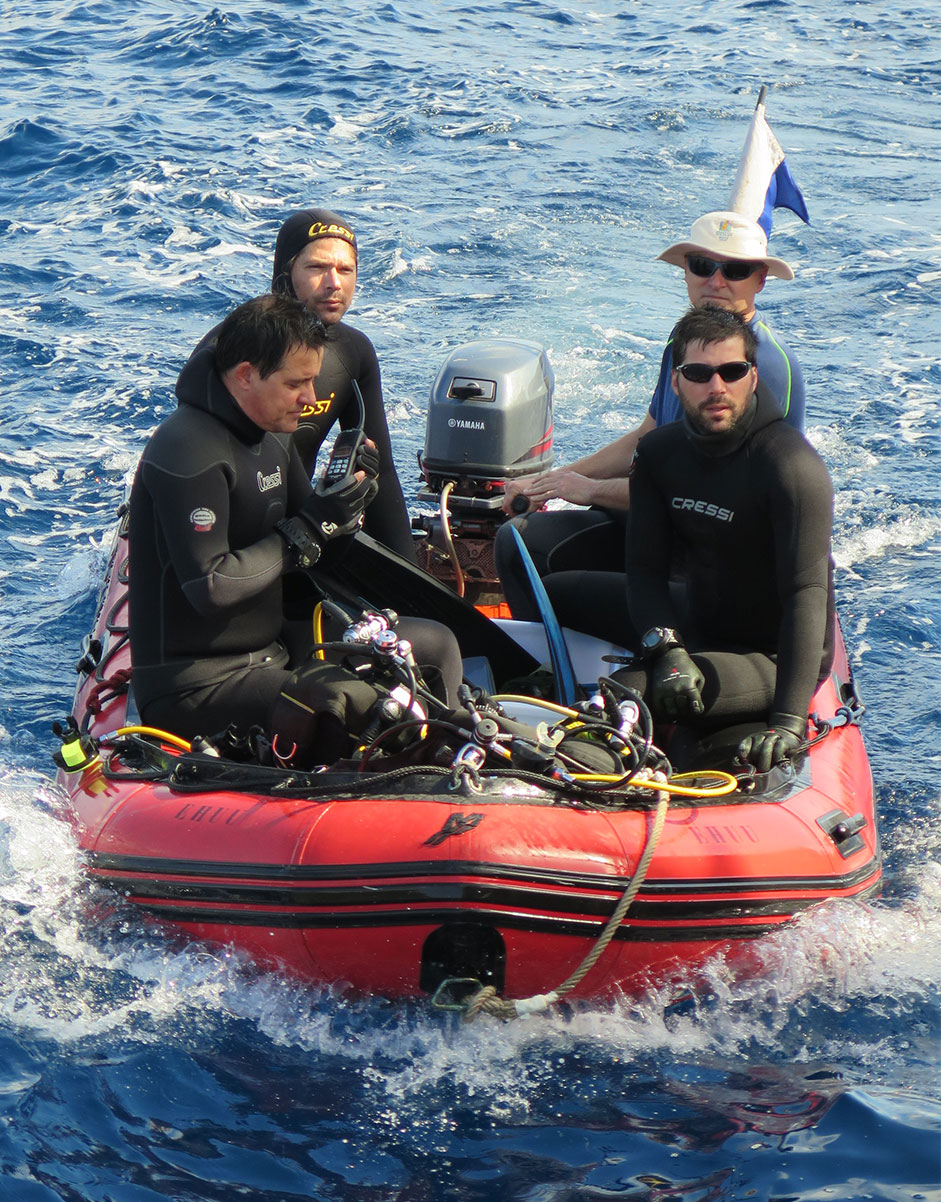
The Group of Aquatic Macrophyte Ecology aims to generate new knowledge and raise awareness of the key role played by coastal vegetated environments (saltmarshes, mangroves, and submerged macrophyte forests) and their vulnerability to both local and global human-induced disturbances.
To properly accomplish that mission, we believe in the need to let science happen at a natural pace, with curiosity and passion as the main drivers, avoiding opportunistic, performance-driven science. Nature is complex; complexity needs time to be understood. Scientists need time to think. At the same time, scientists are human beings, with the same aim as any other human being: enjoying life. “Research has to be a game, because only by playing are we happy” (Ramon Margalef 1984). Science is our GAME.
Members
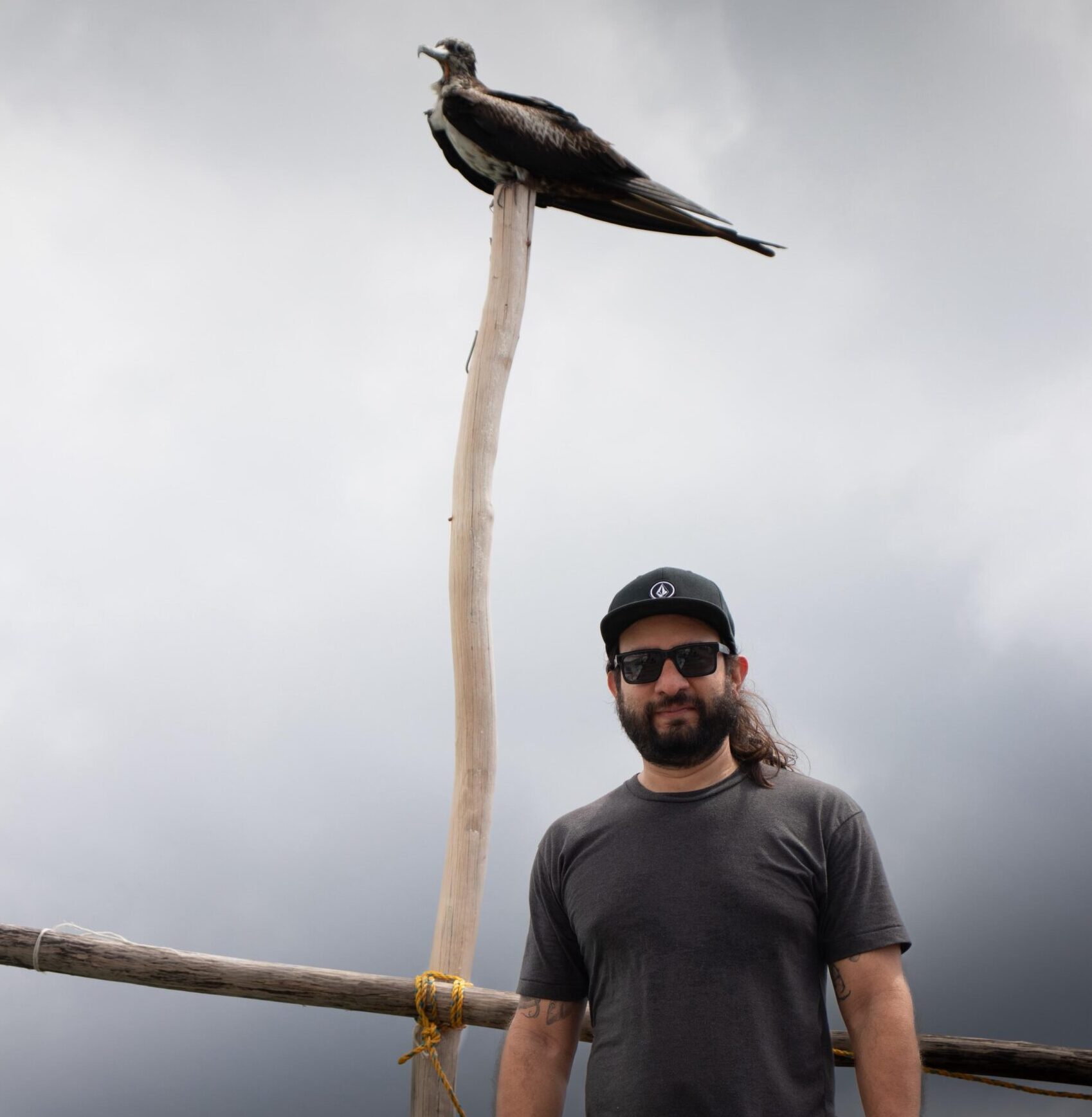
Roberto Velázquez Ochoa
Email: robertovelazquez8a@gmail.com
Selma Kreiss
Email: selma.kreiss@uni-oldenburg.de
Collaborators

Collaborator Name
Type of collaboration
Collaborator Name
Type of collaboration
Collaborator Name
Type of collaboration
Collaborator Name
Type of collaboration
Collaborator Name
Type of collaboration
Collaborator Name
Type of collaboration
Collaborator Name
Type of collaboration
Collaborator Name
Type of collaboration
Collaborator Name
Type of collaboration
Collaborator Name
Type of collaboration
Collaborator Name
Type of collaboration
Collaborator Name
Type of collaboration
Collaborator Name
Type of collaboration
Collaborator Name
Type of collaboration
Collaborator Name
Type of collaboration
Collaborator Name
Type of collaboration
Collaborator Name
Type of collaboration
Collaborator Name
Type of collaboration
Collaborator Name
Type of collaboration
Collaborator Name
Type of collaboration
Work with us
We permanently offer the possibility to carry out the following types of stays:
– Master’s Thesis (TFM)
– Final Degree Project (FDP)
– Practicums (company internships, FTP practicums, etc.)
– Summer internships. Come and learn and collaborate with us in the world of scientific research.
OFFERS
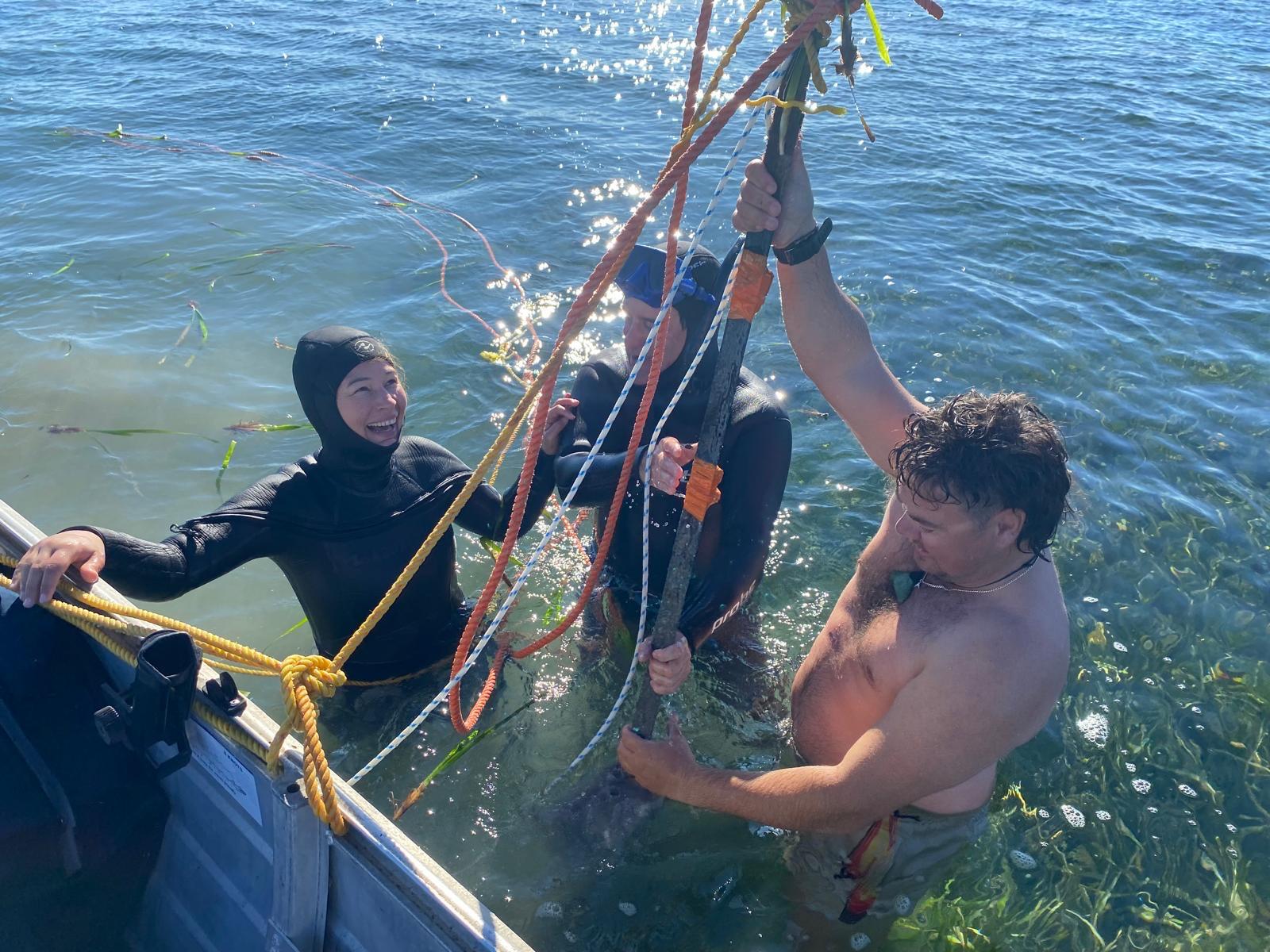
The biodiversity associated with the seagrass meadows of Shark Bay, under the scrutiny of new environmental DNA technologies
The GAME group is participating in an international campaign to assess biodiversity and capital…
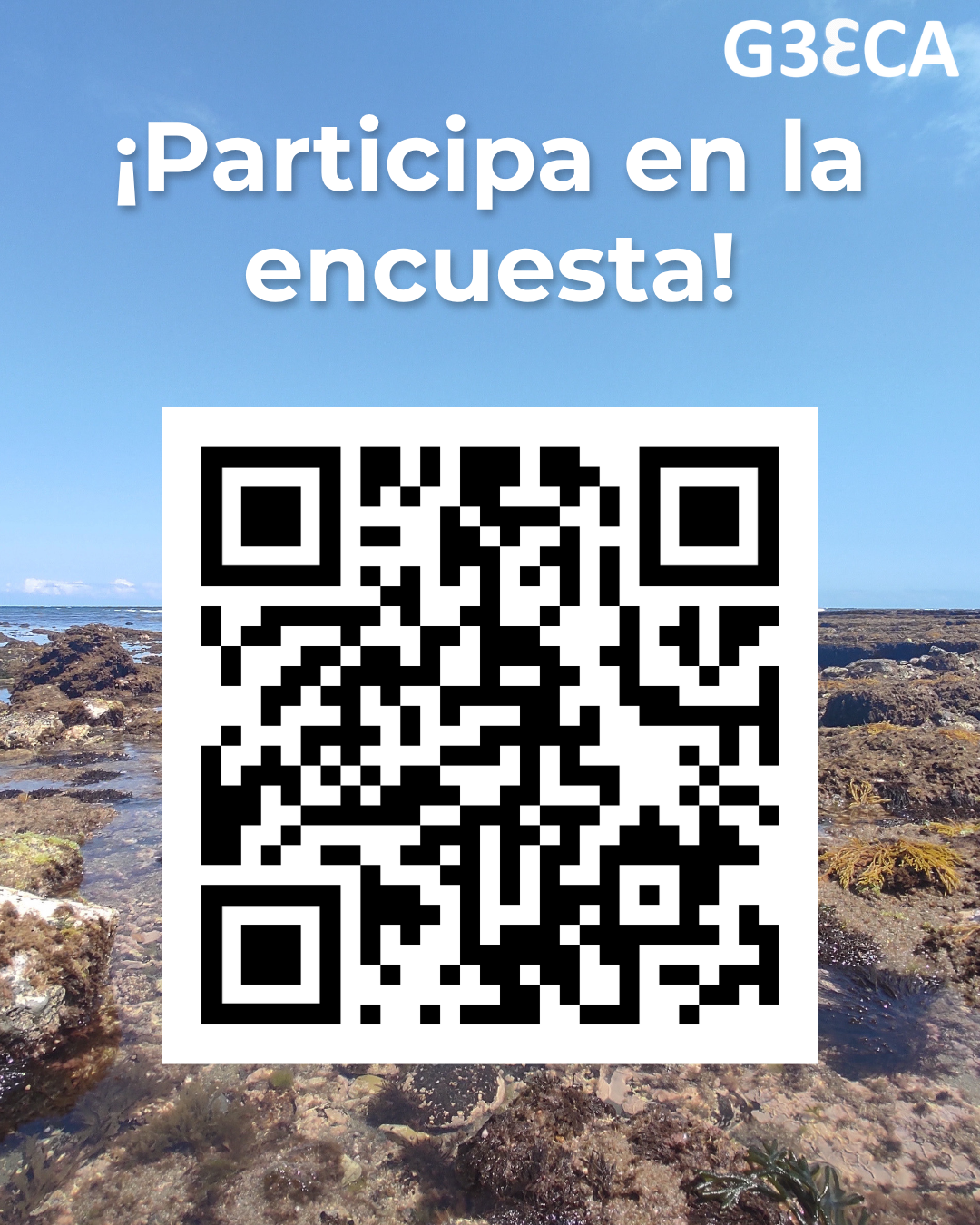
We want to know your opinion about the Spanish coastal ecosystems.
G3ECA launches a survey to find out how citizens perceive the state, the threats and…
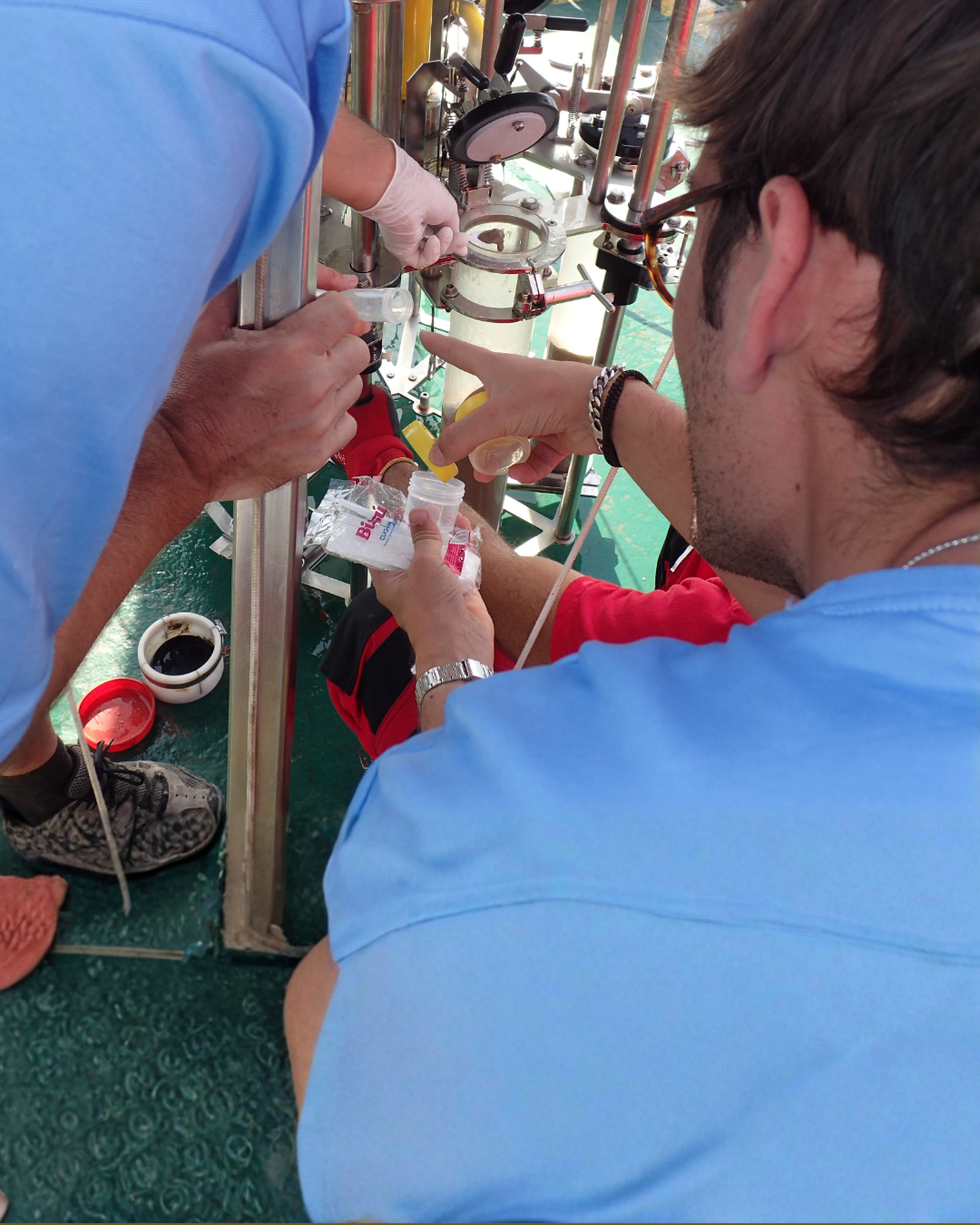
Scientists discover an "invisible tool" that lasts 14,000 years and reveals the memory of our soils' health
An international team of researchers has identified a soil protein capable of acting as…
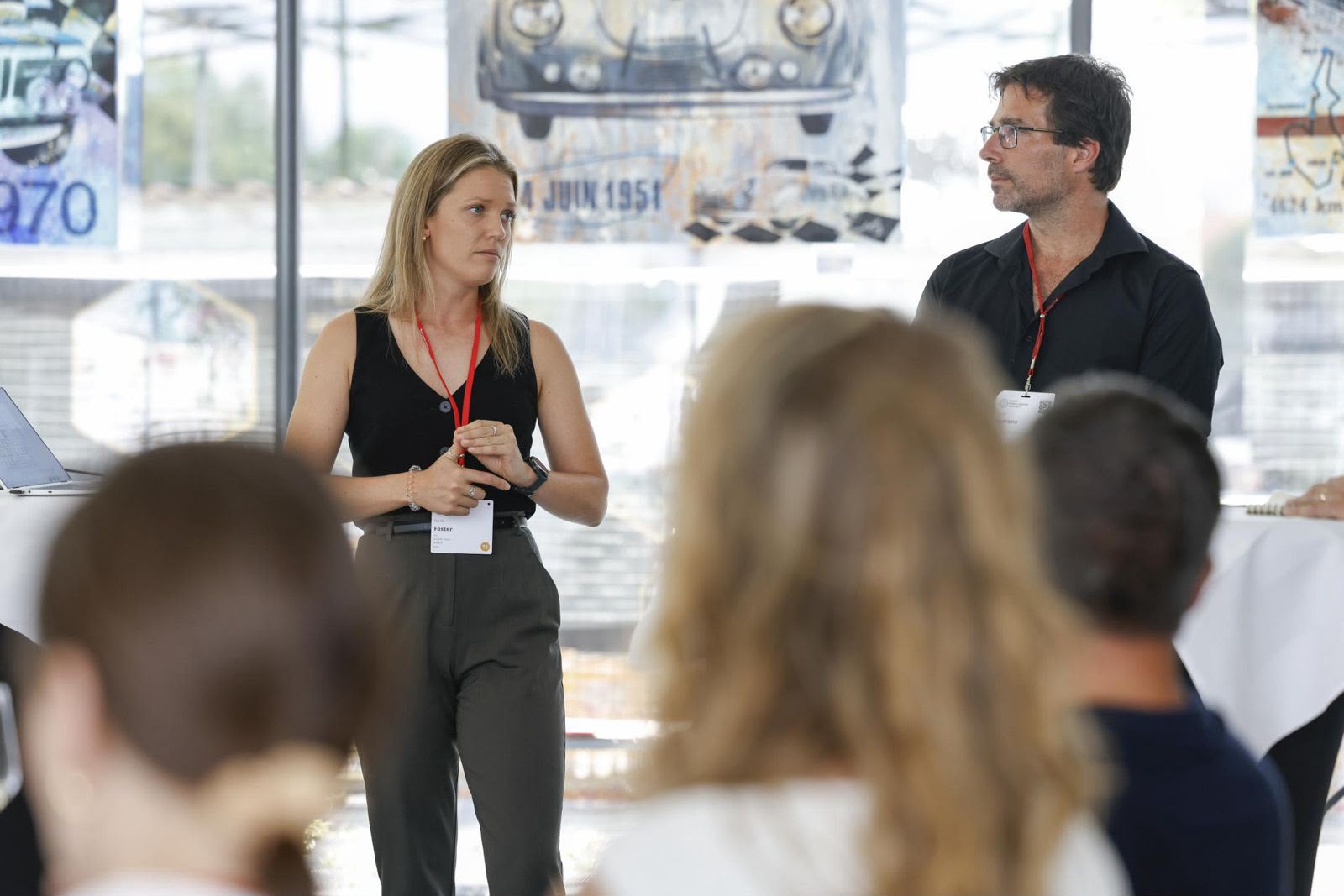
The restoration of blue carbon arrives at the Lindau Nobel Laureate Meetings
Researchers Nicole Foster and Óscar Serrano, members of the GAME group (Group of Aquatic Macrophyte Ecology, ...