Skip to content

Summary

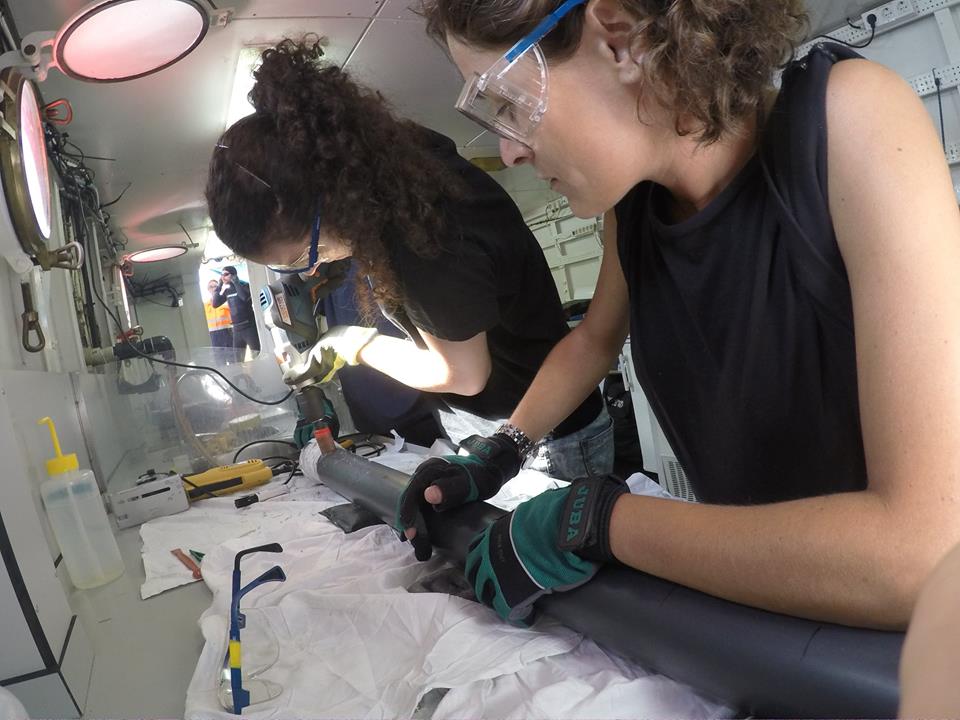
Millenary changes in the insular Spanish National Parks: disturbances, resilience and trends after the seagrass archives”, 2014-2018 Throughout the world, increasing human population densities along the coast are causing significant disturbances and impacts to the coastal environment. Paleo-reconstructions can provide valuable insights into these impacts and the responses of the respective ecosystems. PALEOARK aims to use paleo-archives as tools for reconstructing the dynamics of coastal and terrestrial ecosystems in the Spanish insular National Parks, to highlight interactions with natural and anthropogenic disturbances as well as to assess and value the carbon stocks and fluxes associated with the seagrass sediments. This will help to differentiate between human and naturally derived impacts of disturbance in order to predict the evolution of invasive species and quantify the effects of CO2 rise in coastal and terrestrial ecosystems. The objectives will be achieved through the participation of an international consortium of 25 researchers who will study geological, chemical, micro-palaeontological, molecular, genetic, palynological, and isotopic proxies, together with archaeological and historical information available about the two Spanish Insular National Parks.

Related news
Galería de imágenes
Publications

There are not publications with these criteria

Details

Reference: 1104/2014
Start date: 01/01/2014
End date: 31/12/2017
Email: mateo@ceab.csic.es

Research Areas

Global and climate change > Carbon stocks

Project members

Funding source

Summary

Natural or anthropogenic disturbances are one of the main drivers of change in ecosystems. This change occurs across multiple spatial and temporal scales. Distinguishing between actual state changes and cycles or trends is often difficult or impossible without the appropriate temporal perspective. For this reason, having long, detailed, and reliable data series of relevant structural and functional ecosystem variables is a priority for natural reserve managers. Long data series can be generated from monitoring programmes or sought in human, biological, or geological records. The former provide detailed and high-quality information but are costly and often denied or cut back by administrations. The latter, modern palaeo-reconstruction techniques, can provide an extraordinary wealth of information on biological and environmental aspects of ecosystems, covering extensive periods with remarkable temporal resolution.
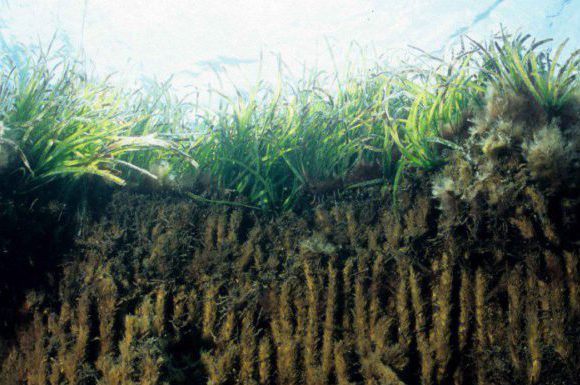
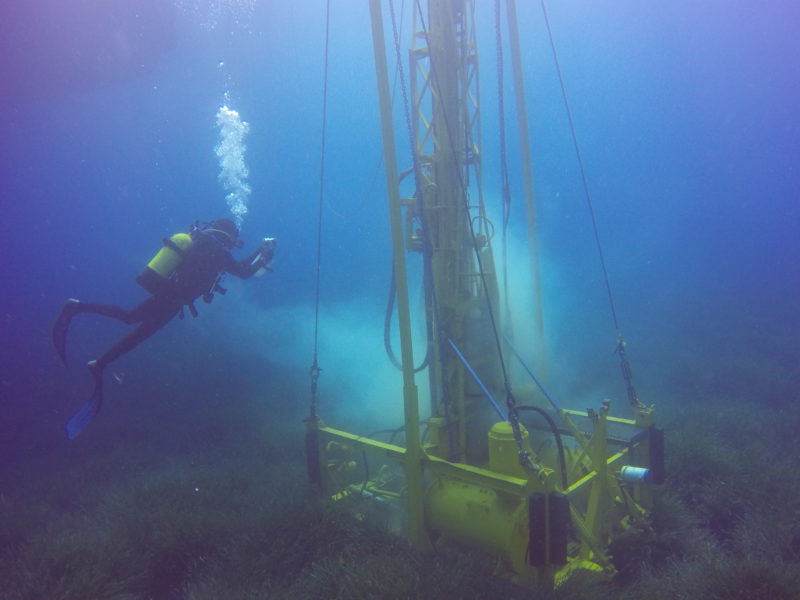
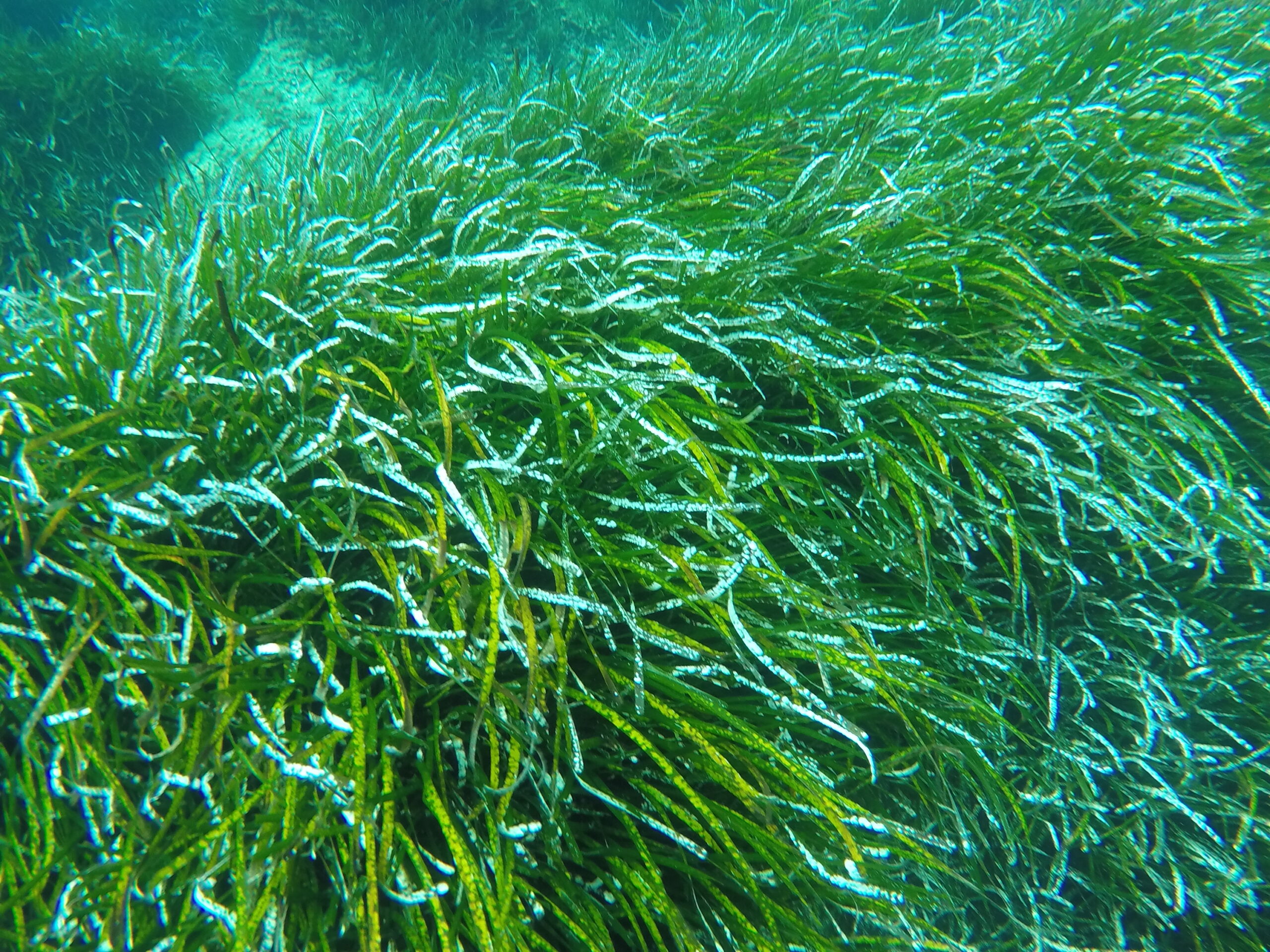
Human density along the planet's coastlines causes intense and continuous disturbances in coastal strip ecosystems. The paleo-environmental approach can provide valuable information about these impacts and how ecosystems respond. However, the near absence of paleo-environmental records in exposed coastal areas has hindered further development of this valuable approach in coastal environments. Fortunately, it has been demonstrated that the sediments of marine phanerogams, common in these environments, constitute detailed records of the natural history of both coastal and terrestrial ecosystems. Their sediments, ‘turbid’ and anoxic, hold information spanning at least the last 6000 years with resolutions between 1 and 10 years/cm.
On the other hand, it has been shown that the sedimentary record formed by marine phanerogams contains a stock of organic carbon of very significant proportions. On a warming planet, the study, conservation, and enhancement of carbon sinks have become priorities due to their potential contribution to mitigating the increasing accumulation of CO2 in the atmosphere.
This project proposes 1. to use the aforementioned files as tools to reconstruct the dynamics of the coastal and terrestrial ecosystems of the PPNN when interacting with natural and anthropogenic disturbances, and 2. to evaluate and monetise the associated carbon flows and stocks. Both objectives use the same ‘object’ of study and share exactly the same methodology. The objectives will be addressed by an international team of 25 researchers who will study geological, chemical, palaeontological, molecular, genetic, palynological, or isotopic indicators or ‘proxies’, along with historical and archaeological information in the two Spanish insular PPNN.

Related news

Image gallery

Publications

There are not publications with these criteria

Details

Reference: 1104/2014
Start date: 01/01/2014
End date: 28/12/2018
Contact email: mateo@ceab.csic.es

Research areas

  • Global and climate change > Carbon stocks
Project members

Funding source

Back To Top